

In the evolving landscape of decentralized finance, few concepts capture the imagination quite like a mortgage-backed stablecoin. USDX from Stables Labs promised to unlock real yields from U. S. home equity, blending the stability of real-world assets with the efficiency of blockchain. Holders could stake their USDX to tap into returns generated from a portfolio of institutional-grade mortgage assets. Yet, as of February 12,2026, USDX trades at $0.01124011, a stark deviation from its $1 peg that underscores the precarious balance between innovation and risk in DeFi.
Unlocking Home Equity Through Tokenized Mortgages
At its core, USDX represents a bold pivot toward real-world assets (RWAs) in DeFi. Unlike traditional stablecoins backed by cash equivalents or overcollateralized crypto, USDX draws its value from tokenized slices of U. S. residential mortgages. These are not speculative ventures but seasoned loans from established originators, packaged to deliver steady cash flows from borrower payments. When you hold USDX, you're essentially owning a fractional claim on this home equity pool, with yields accruing from interest payments minus operational costs.
This home equity stablecoin yield model appeals to macro investors like myself who see parallels to classic fixed-income strategies. In a world where Treasury yields hover modestly and DeFi liquidity pools offer volatile returns between 2% and 12%, USDX aimed to carve a niche with predictable, real-economy backed income. Staking mechanisms further amplified this, allowing users to compound earnings onchain while maintaining liquidity. Early buzz positioned it as a gateway for everyday investors to access RWA yields without navigating Wall Street's opacity.
Why DeFi Craves Mortgage-Backed Innovation
The allure of USDX lies in its potential to infuse DeFi with tangible economic productivity. Stablecoins have matured beyond simple value transfer; they're now liquidity engines for yield generation, as noted in Galaxy's guide to onchain yields. Traditional stables like USDT or USDC rely on centralized reserves, but RWAs like USDX introduce diversification through uncorrelated assets. Home equity, valued at trillions in the U. S. , offers a vast untapped reservoir. Imagine passive income streams mirroring the 4-7% average mortgage rates, tokenized and composable in DeFi protocols.
Yet enthusiasm must temper with perspective. Stables Labs' USDX has faced community scrutiny amid broader DeFi headwinds, including yield collapses that trapped farmers in low-return positions. Reports from PANews and Bitget highlight a potential $8 billion sector risk, with USDX cited in discussions of redemption pressures and collateral shortfalls. Despite this, its USDX TVL growth in nascent stages hinted at adoption before the depeg accelerated concerns.

Assessing Yields and the Depeg Dilemma
Yield expectations for USDX stablecoin mirrored broader stablecoin ranges: realistic 2-12% from lending and pools, per Regular Finance insights. Mortgage backing promised resilience, distinct from algorithmic pitfalls or Treasury dependencies outlined in RedStone's 2025 report. Staking USDX was pitched to deliver these via automated rebasing or claimable rewards, integrating seamlessly into macro portfolios alongside commodities and bonds.
Today's reality paints a different picture. At $0.01124011, with a 24-hour gain of just and 0.0205% between $0.0108 and $0.0113, USDX grapples with redemption fears. Bank Policy Institute warnings resonate: even pegged stables can strand lenders in illiquid DeFi positions. Stables Labs echoes past protocols like Sky's USDS, where collateral backing faltered under stress. My view? This depeg tests the Stable protocol USDX thesis, urging patience over panic. True RWA viability demands transparent audits and robust off-ramps, lessons from DL News' State of DeFi 2025.
USDX Mortgage-Backed Stablecoin Price Prediction 2027-2032
Realistic forecasts based on current depegging ($0.0112), backing verification potential, DeFi risks, and market cycles (Min/Avg/Max in USD)
| Year | Minimum Price | Average Price | Maximum Price | Bullish Scenario Insight |
|---|---|---|---|---|
| 2027 | $0.005 | $0.012 | $0.025 | Slow recovery if backing verified; bearish drop amid DeFi scrutiny |
| 2028 | $0.008 | $0.018 | $0.040 | +50% YoY potential in bull cycle; regulatory hurdles persist |
| 2029 | $0.012 | $0.030 | $0.080 | Adoption growth in RWA DeFi; max assumes housing market boom |
| 2030 | $0.018 | $0.050 | $0.150 | +67% YoY in optimistic yield-bearing use cases |
| 2031 | $0.025 | $0.080 | $0.250 | Maturing tech integration; competition from US Treasuries-backed coins |
| 2032 | $0.035 | $0.120 | $0.400 | Long-term stability near $1 peg possible with full verification and mass adoption |
Price Prediction Summary
USDX predictions reflect high-risk profile with depegging concerns but upside from real estate backing and DeFi yields. Bearish mins account for failure risks ($0.005+), while bullish maxes project recovery to $0.40 by 2032 if regulatory and verification hurdles cleared amid crypto bull cycles.
Key Factors Affecting USDX Mortgage-Backed Stablecoin Price
- Verification and transparency of US mortgage backing
- Regulatory developments for RWA stablecoins
- DeFi yield sustainability and platform risks
- US housing market performance and equity growth
- Crypto market cycles and stablecoin adoption trends
- Competition from established stablecoins like USDT/USDC
Disclaimer: Cryptocurrency price predictions are speculative and based on current market analysis. Actual prices may vary significantly due to market volatility, regulatory changes, and other factors. Always do your own research before making investment decisions.
Patience reveals whether USDX can reclaim stability, but investors must weigh these dynamics against safer yield bearers.
Navigating this depeg requires dissecting the mechanics behind RWA yields DeFi promised by USDX. Mortgage-backed assets sound solid, yet tokenization introduces frictions: offchain legal structures, servicing dependencies, and oracle price feeds for collateral valuation. Stables Labs touted institutional-grade loans, but community doubts from Bitget and PANews reports spotlight potential shortfalls in reserve transparency. If borrower defaults spike or liquidity dries up, yields evaporate faster than in pure crypto lending pools.
Key Risks Facing Mortgage-Backed Stablecoins
DeFi's yield landscape has cooled, with Gate. com detailing collapses that left farmers sidelined. USDX amplifies this through real estate exposure. U. S. home equity yields 4-7% historically, but tokenized versions face added layers: smart contract vulnerabilities, regulatory overhang from mortgage disclosures, and rehypothecation risks if collateral gets looped into other protocols. At $0.01124011, the 24-hour range from $0.0108 to $0.0113 barely budges, signaling stalled momentum amid redemption queues.
Key USDX Risks
- 1. Depegging from poor collateral transparency: USDX, from Stables Labs, trades at $0.0112 (24h +0.0205%), far below $1 peg per latest data, due to questioned mortgage collateral visibility amid community scrutiny.
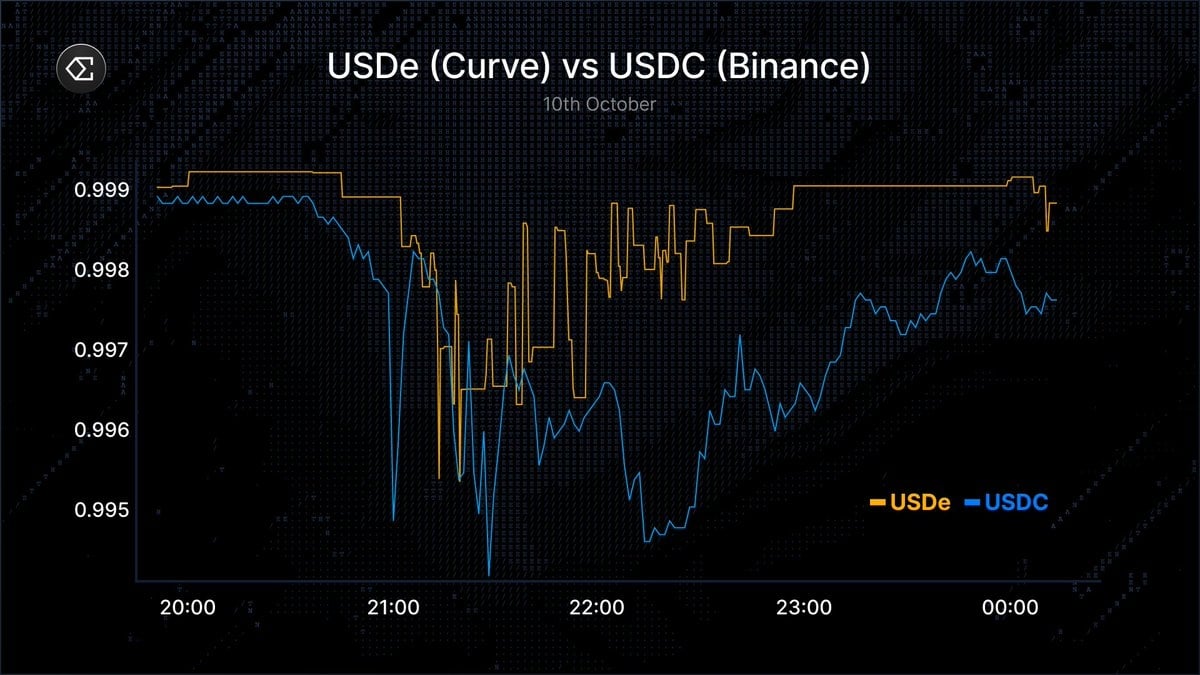
- 2. Real estate default cycles: Backed by U.S. home equity, USDX faces losses from mortgage defaults in housing downturns, amplifying risks in economic cycles.

- 3. Offchain servicing failures: Dependence on traditional offchain mortgage servicers risks delays, errors, or insolvency, breaking the onchain peg as noted in DeFi RWA critiques.

- 4. Smart contract exploits: Like other DeFi protocols, USDX vulnerabilities could lead to hacks, with sector reports highlighting billions in potential exposure.

- 5. Regulatory crackdowns on RWAs: Real-world asset stablecoins like USDX face U.S. scrutiny over securities laws, per Bank Policy Institute and Galaxy reports on RWA risks.

These aren't abstract; Messari's stablecoin deep dives echo Sky Protocol's USDS struggles, where collateral backing buckled. My two decades in multi-asset strategies teach that RWAs shine in bull markets for housing but falter when rates rise or recessions loom. USDX's USDX TVL growth stalled pre-depeg, now hovering low as investors pivot to proven yield-bearers like sDAI or USDe.
Positioning USDX in a Macro Portfolio
Integrating home equity stablecoin yield demands a measured approach. View USDX as a high-conviction satellite holding, not core allocation. Pair it with Treasury-backed stables for ballast, per RedStone's risk breakdowns. In my portfolios, RWAs cap at 5-10%, diversified across vintages and geographies to hedge U. S. -centric mortgage cycles. Staking USDX, if viable post-depeg, could still compound at 3-5% net yields, assuming recovery, but only after verified audits surface.
Broader DeFi trends from Galaxy and DL News suggest stablecoins evolving into risk-management hubs. USDX tests this thesis: can tokenized home equity deliver uncorrelated returns when crypto yields crater? Current price action at $0.01124011 whispers caution, yet a rebound to $0.05 quarterly hinges on Stables Labs proving backing integrity. Patience here means monitoring onchain metrics like collateral ratios and redemption volumes, not chasing FOMO.

Lessons for the Next RWA Wave
USDX's saga underscores DeFi's maturation pains. Bank Policy Institute flags redemption black swan events; we've seen them trap capital in illiquid pools. For mortgage backed stablecoin aspirants, prioritize protocols with overcollateralization north of 150%, real-time attestations, and decentralized oracles. Stables Labs' missteps, opaque reserves, delayed responses, mirror sector pitfalls, but they pave paths for refined iterations.
Envision refined USDX 2.0: hybrid backing blending mortgages with T-bills, permissionless redemptions, and yield curves dynamically tied to Fed funds. Until then, safer bets dominate. sDAI's consistent 5% draws from MakerDAO vaults; USDe's 10% peaks via Ethena's hedging. USDX, at $0.01124011 with and 0.0205% daily, offers speculative alpha for the bold, but generational wealth favors steady compounding over moonshots.
Macro cycles turn slowly; USDX's fate hinges on execution amid DeFi's churn. Investors blending patience with due diligence stand to harvest the real yields that endure.




No comments yet. Be the first to share your thoughts!