

StabilizerFi USDZ Testnet: Zero Slippage Stablecoin Swaps Boosting DeFi Yields 2026

In the ever-evolving DeFi landscape of 2026, where stablecoins command a dominant share of trading volume, zero-slippage swaps emerge as a game-changer for yield optimization. StabilizerFi’s USDZ testnet launch promises to redefine stablecoin AMM efficiency, delivering zero slippage stablecoin swaps that could supercharge passive income strategies. With USDZ trading at $1.18, down 1.67% over the last 24 hours from a high of $1.20 and low of $1.11, early testers stand to gain exclusive insights and rewards.

[price_widget: Real-time Zedxion USDZ price at $1.18 with 24h change -1.67%]
StabilizerFi positions itself as a next-generation decentralized Automated Market Maker, drawing parallels to Uniswap and Curve but elevating the model with a true constant-sum invariant. This innovation eliminates the slippage that plagues traditional AMMs during large stablecoin trades, ensuring precise execution at the quoted rate. For investors like us, focused on yield-bearing stables such as sDAI and USDe, this means tighter capital efficiency and amplified returns from LP positions.
Constant-Sum Innovation Powers Zero-Slippage Trading
At its core, StabilizerFi leverages a constant-sum mechanism, where the sum of reserves remains fixed rather than their product, as in xy=k models. This allows for zero-slippage stablecoin swaps across pairs like USDZ-USDC or USDZ-USDT, critical in a market where stablecoins drive massive DeFi volume. An internal stabilization module further maintains peg integrity, adapting to imbalances without oracle dependencies or aggressive liquidations.
I’ve long advocated for hybrid risk approaches in portfolios blending stable yields with blue-chips, and StabilizerFi aligns perfectly. Traditional Curve pools suffer slippage on imbalanced trades; here, that vanishes, potentially unlocking higher APYs for LPs. The weekly recap from February 7th highlights a live testnet with real mechanics, letting users probe LP strategies firsthand.
Stabilizer is a zero-slippage automated market maker (AMM) built on a true constant-sum invariant and an internal stabilization mechanism.
This isn’t hype; it’s mechanics addressing real pain points. With USDZ at $1.18, the protocol’s focus on scalability positions it to capture stablecoin dominance, where even minor slippage erodes yields over time.
Phase 1 Testnet Whitelist: Your Entry to Rewards
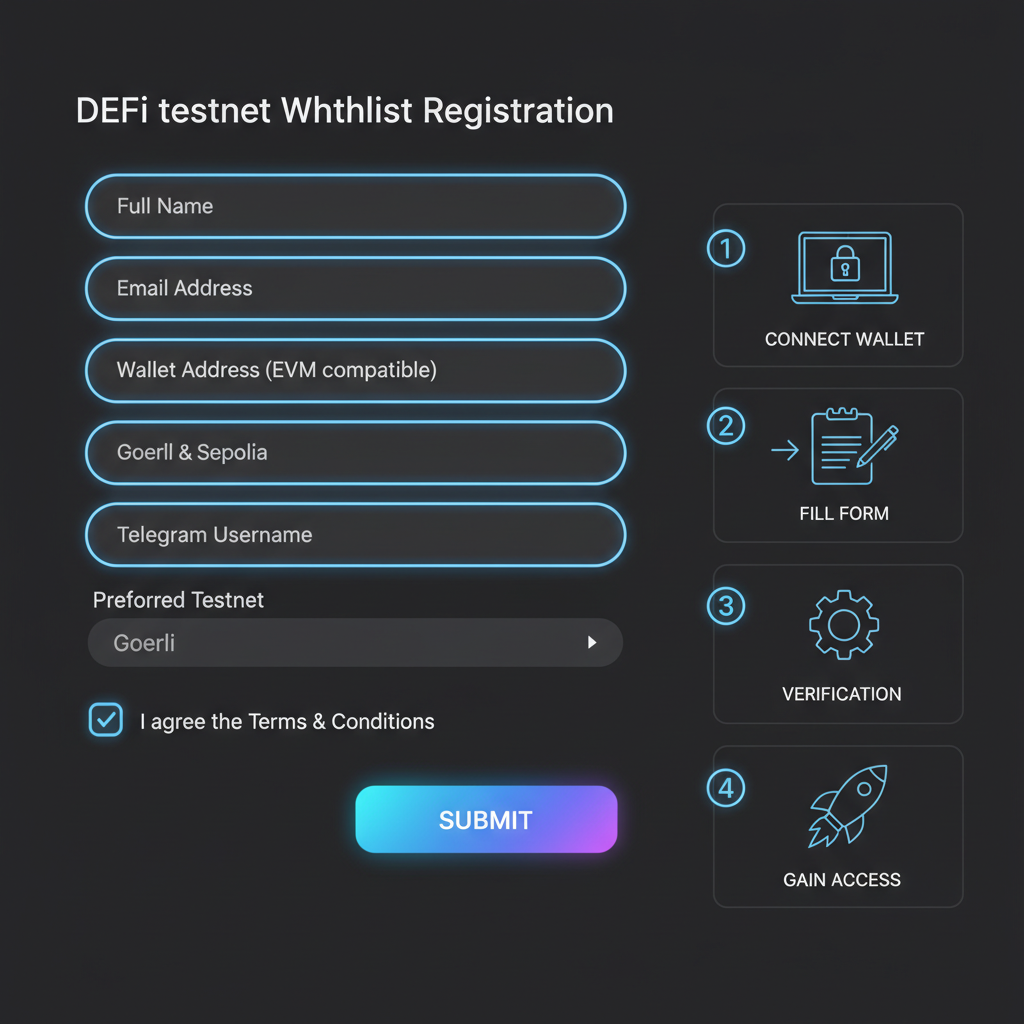
The buzz is palpable: Phase 1 StabilizerFi testnet whitelist opened recently for a tight 48-hour window, inviting early adopters to experience zero-slippage firsthand. Registration grants access to swap stablecoin pairs, test LP mechanics, and earn exclusive NFTs plus special rewards for full completion. Voices across X echo the urgency, from MunirShazaib noting it’s no longer just a concept to calls from babs_ayobami on stablecoin volume’s importance.
Community momentum builds, with 9K followers on StabilizerFi’s X underscoring genuine interest. As a portfolio strategist, I see this testnet as prime for stress-testing integrations with yield protocols. Participants aren’t just testers; they’re shaping a tool that could integrate seamlessly with rebasing stables, minimizing costs in yield farming rotations.
USDZ Stablecoin: Yield Potential in a $1.18 Market
USDZ, pegged yet trading at $1.18 amid minor volatility, embodies StabilizerFi’s vision for yield-boosting infrastructure. Zero-slippage enables precise arbitrage and deep liquidity, fostering environments where DeFi yields compound without friction losses. Imagine rotating between sDAI and USDZ positions without price impact; that’s the 2026 reality testnet users preview.
Stabull Finance and similar protocols pave the way, but StabilizerFi’s constant-sum edge, paired with cross-chain hints via LayerZero analogs, amplifies interoperability. For diversified portfolios, allocating to USDZ stablecoin testnet LPs could yield insights into risk-adjusted returns surpassing traditional stables.
USDZ Price Prediction 2027-2032
StabilizerFi USDZ Stablecoin Forecasts: Zero-Slippage Swaps and DeFi Yield Innovations Driving Premium Valuation
| Year | Minimum Price | Average Price | Maximum Price | YoY % Change (Avg from 2026 $1.25) |
|---|---|---|---|---|
| 2027 | $1.15 | $1.40 | $1.75 | +12% |
| 2028 | $1.20 | $1.60 | $2.05 | +14% |
| 2029 | $1.25 | $1.85 | $2.45 | +16% |
| 2030 | $1.30 | $2.15 | $2.90 | +16% |
| 2031 | $1.40 | $2.50 | $3.40 | +16% |
| 2032 | $1.50 | $2.90 | $4.00 | +16% |
Price Prediction Summary
USDZ is expected to maintain a premium over the $1 peg due to its zero-slippage AMM and DeFi yield boosts, with average prices progressively rising from $1.40 in 2027 to $2.90 by 2032 amid growing adoption, assuming successful mainnet transition and favorable market cycles. Minimums reflect bearish depeg risks, while maximums capture bullish yield-driven surges.
Key Factors Affecting USDZ Price
- Mainnet launch and testnet success driving TVL growth
- Rising DeFi stablecoin dominance and zero-slippage demand
- Bullish crypto market cycles post-2026 halving effects
- Regulatory advancements favoring yield-bearing stablecoins
- Protocol upgrades for scalability and cross-chain integration
- Competition from Curve/Uniswap but unique constant-sum invariant edge
- Macro factors: interest rates, RWA tokenization, and institutional inflows
Disclaimer: Cryptocurrency price predictions are speculative and based on current market analysis.
Actual prices may vary significantly due to market volatility, regulatory changes, and other factors.
Always do your own research before making investment decisions.
Early signals from the testnet suggest robust mechanics, with no slippage even in simulated high-volume scenarios. This matters for us yield chasers balancing risk; USDZ at $1.18 offers a compelling entry amid 24-hour dips, backed by protocol innovations reducing systemic vulnerabilities.
That resilience in testing bodes well for mainnet, where USDZ at $1.18 could anchor diversified yield farms. Yet, as with any testnet, measured participation reveals the protocol’s true mettle under varied conditions.
Mastering the Testnet: A Step-by-Step Path to Rewards
Hands-on exploration defines edge in DeFi, and StabilizerFi’s Phase 1 testnet delivers just that. Whitelist spots filled fast in the 48-hour rush, but ongoing waves mean opportunities persist for diligent users. Completing tasks not only sharpens your grasp of zero-slippage dynamics but unlocks StabilizerFi whitelist NFT drops and tiered rewards, positioning early birds for airdrop potential.
Unlock StabilizerFi Testnet: Zero-Slippage USDZ Swaps & NFT Rewards Guide
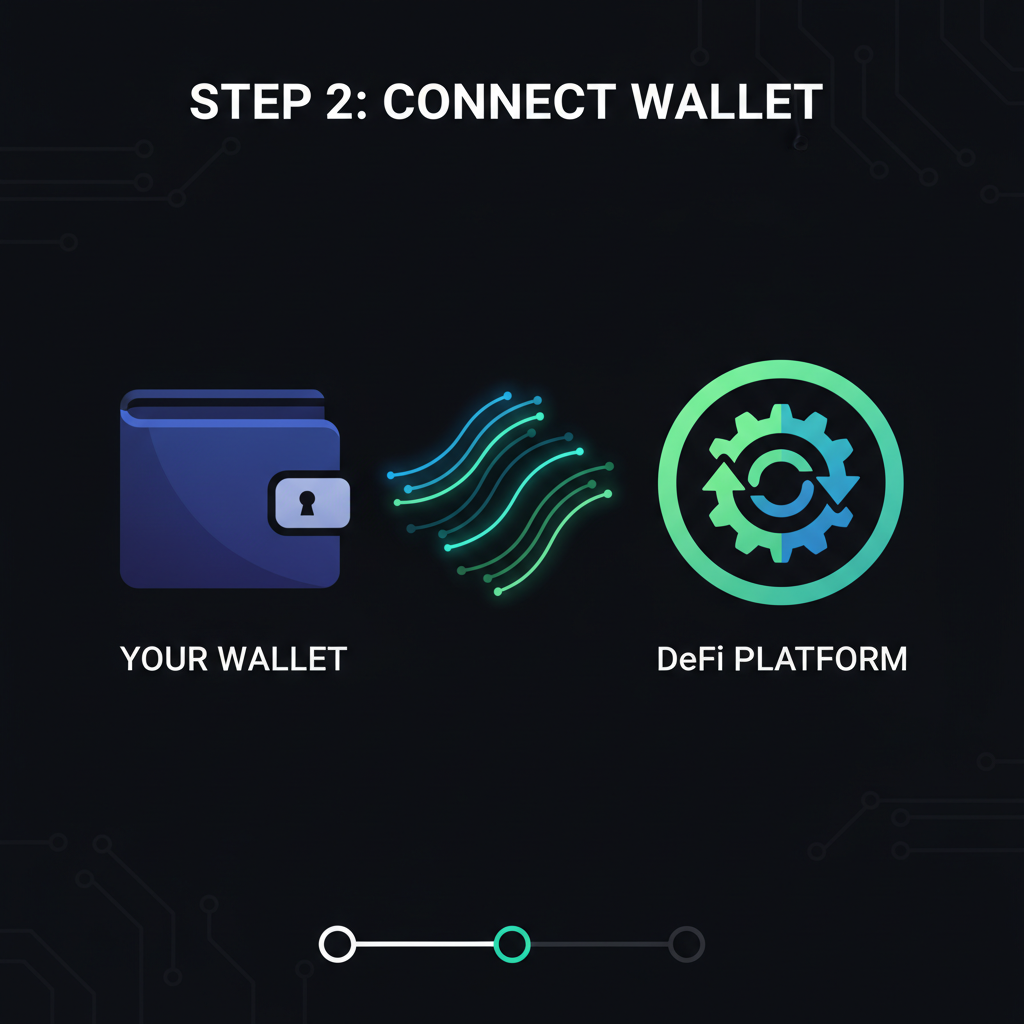
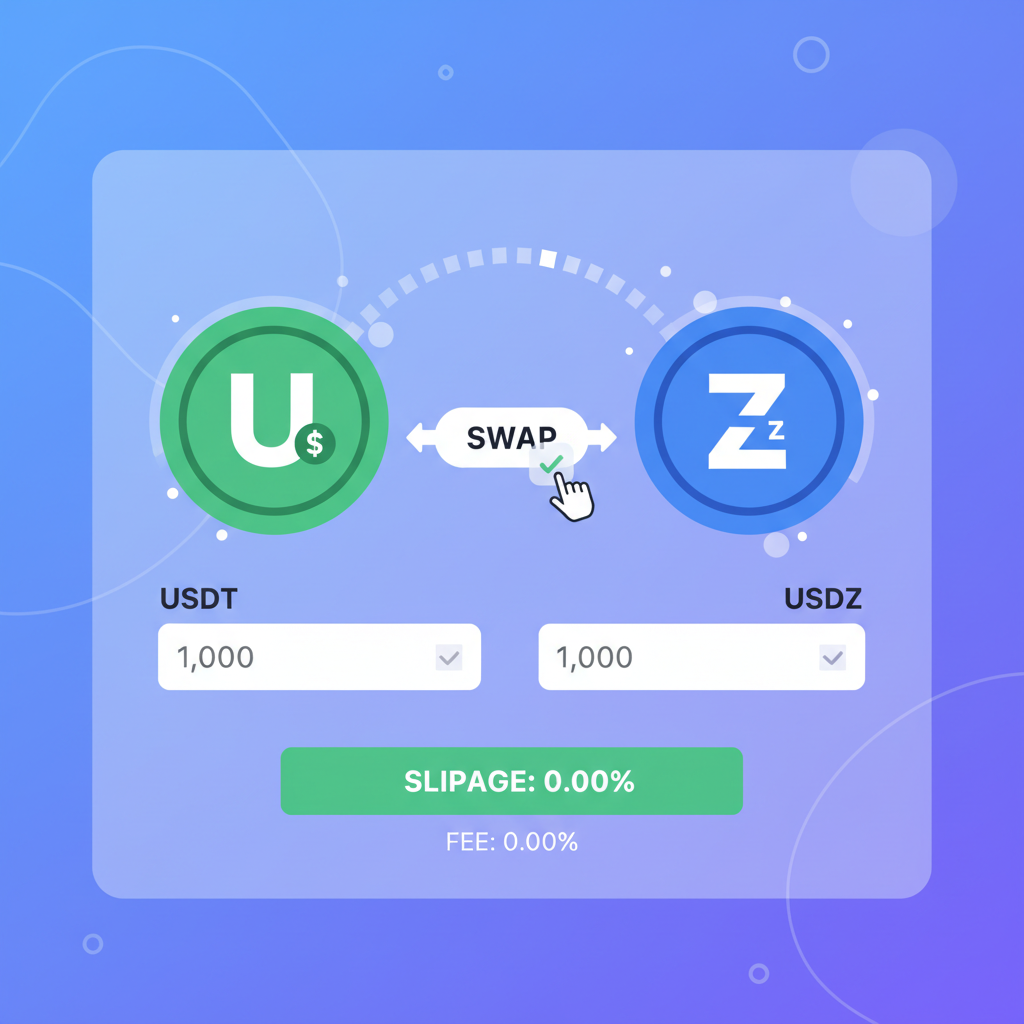
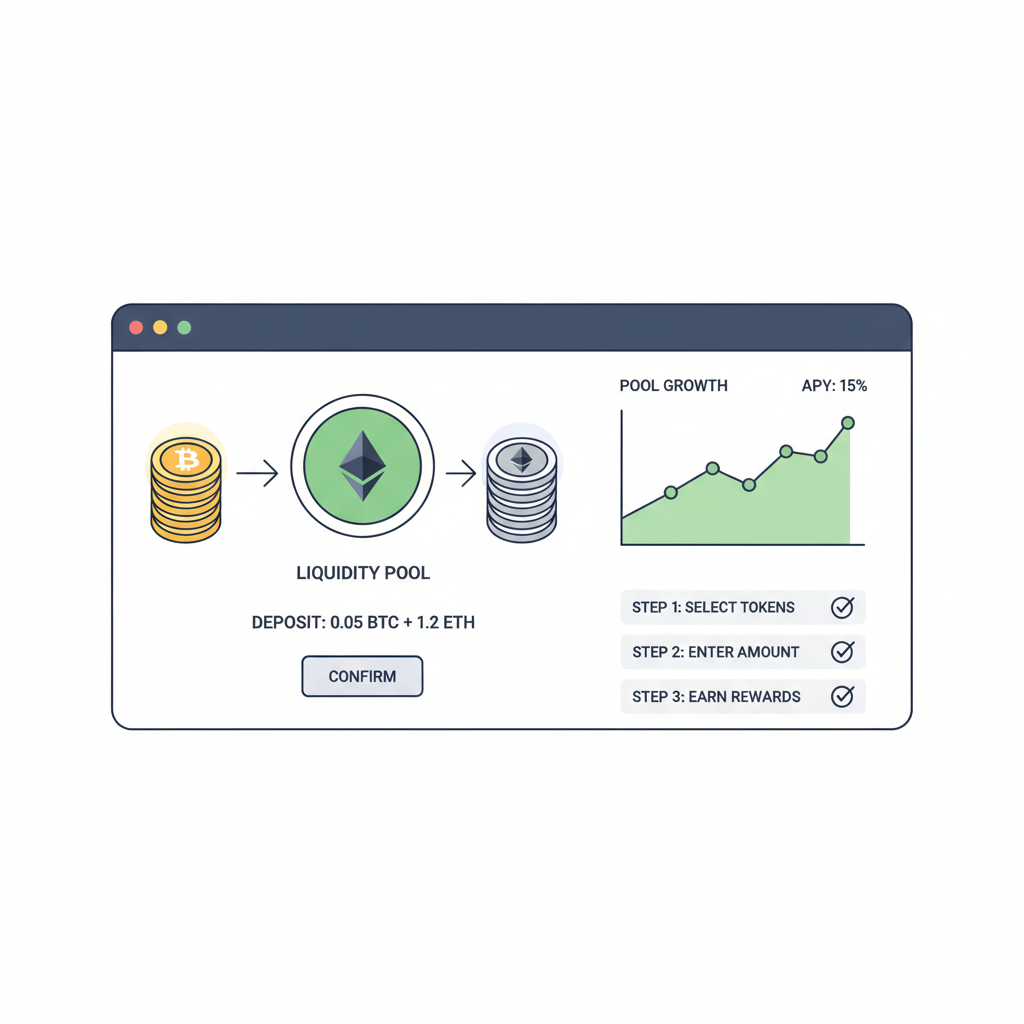

I’ve guided portfolios through countless protocol betas, and this one’s mechanics stand out for their intuitiveness. Testnet swaps mimic live environments, letting you simulate rotations between USDZ and other stables without the slippage tax that nibbles at returns in standard AMMs. For yield enthusiasts eyeing sDAI or USDe integrations, it’s a preview of frictionless compounding.
Feedback loops from initial testers highlight seamless execution, even with simulated imbalances. This stablecoin AMM DeFi evolution isn’t about gimmicks; it’s engineered for the stablecoin era, where volume surges demand precision.
Risks in Focus: A Balanced Lens on USDZ at $1.18
No innovation skips scrutiny, and StabilizerFi warrants the same. USDZ’s recent 24-hour dip to $1.18 from $1.20 underscores peg maintenance challenges amid market whims. The constant-sum model shines in balanced pools, but extreme arbitrage or oracle-free adjustments could test the internal stabilizer if liquidity thins. Testnet data shows promise, yet mainnet scale introduces smart contract vectors we’ve seen bite before.
My FRM background insists on diversification: pair USDZ exposure with blue-chip yields like sDAI, capping any single protocol at 10-15% of stables allocation. Volatility touched $1.11 lows recently, a reminder that even zero-slippage can’t defy broader crypto tides. Still, the protocol’s design mitigates common pitfalls, offering a supportive upgrade over slippage-prone predecessors.
Stablecoin dominance makes zero-slippage swaps critically important.
Community echoes this, with X threads from users like babs_ayobami emphasizing volume realities. At $1.18, USDZ presents a tactical entry for testnet LPs, but temper enthusiasm with position sizing.
Elevating Yields: StabilizerFi in Your 2026 Arsenal
Picture this: your portfolio humming with rebasing stables, now turbocharged by zero slippage stablecoin swaps. StabilizerFi bridges the gap between isolated yield protocols, enabling costless pivots that preserve APY edges. In a world where Stabull and LayerZero kin advance interoperability, this constant-sum AMM slots in as the efficient core for stablecoin rotations.
For hybrid strategies I champion, allocate testnet gains toward blue-chip anchors while probing USDZ LPs. The 9K-strong follower base signals traction, and NFT incentives sweeten the learning curve. As USDZ holds $1.18 amid -1.67% pressure, early metrics suggest yields could outpace Curve-style pools by curtailing invisible losses.
DeFi thrives on such refinements. Testnet participants aren’t mere spectators; they’re forging the infrastructure that sustains passive income through market cycles. With mechanics proven in Phase 1, the path to mainnet beckons, promising a more equitable yield landscape for all.
| Feature | Traditional AMM | StabilizerFi |
|---|---|---|
| Slippage on Large Swaps | High | Zero |
| Peg Stability | Volatile | Internal Module |
| LP Efficiency | Imbalance Losses | Constant-Sum Gains |
| Testnet Rewards | None | NFT and Special |
That table captures the pivot point. In 2026’s stablecoin surge, tools like StabilizerFi empower us to harvest yields with precision, balancing ambition against prudence for enduring portfolios.