

Is USDC Still Safe in 2026?
The short answer is yes, but with important caveats. USDC remains one of the most transparent stablecoins in circulation, backed by fully reserved assets and operating under increasing regulatory scrutiny. However, "safe" does not mean risk-free. Unlike a bank deposit, USDC is not federally insured, and its value depends entirely on Circle’s ability to maintain its reserve structure and manage legal risks.
To understand the current safety profile, it helps to compare USDC’s structure against the broader stablecoin market and regulatory expectations.
| Feature | USDC | Bank Deposit (FDIC) |
|---|---|---|
| Federal Insurance | No | Yes (up to $250k) |
| Reserve Backing | 100% Cash & Short-Term Treasuries | Fractional Reserve Banking |
| Regulatory Oversight | Increasing (State/Federal) | Federal (OCC/FDIC) |
| Depeg Risk | Low, but possible | N/A (Fixed USD) |
Is USDC in danger? Currently, no. Circle has strengthened its compliance framework significantly since the 2023 banking crisis that briefly impacted USDC. The project maintains daily attestation reports and operates with high transparency, which has helped it retain market trust. However, the regulatory environment is still shifting, particularly regarding stablecoin legislation in the US Congress.
Is keeping money in USDC safe? For short-term storage and transactions, yes. USDC is widely accepted and generally maintains its $1.00 peg. For long-term wealth preservation, it carries more risk than a traditional savings account because it lacks FDIC insurance. If Circle were to face insolvency or a regulatory freeze, users could face delays in redemption.
Is it possible for USDC to crash? Yes. While rare, stablecoins can depeg during periods of extreme market stress, regulatory news, or reserve liquidity issues. The 2023 USDC depeg to $0.87 serves as a historical example of how quickly confidence can fracture, even for a seemingly robust asset.
Is USDC federally insured? No. The US government does not insure stablecoins. Your exposure is limited to Circle’s corporate solvency and the quality of its reserve assets. This is a critical distinction for anyone treating USDC as a savings vehicle rather than a transactional tool.
USDC Safety Tradeoffs in 2026
USDC remains one of the most compliant stablecoins available, but "safe" depends entirely on how you use it. Circle maintains full regulatory alignment under frameworks like MiCA and US state money transmitter laws, offering transparency through monthly attestation reports. However, this compliance comes with tradeoffs: stricter controls, potential de-risking by exchanges, and zero federal insurance for individual holders.
To evaluate whether USDC fits your needs, compare its core attributes against common alternatives and use cases.
| Feature | USDC | USDT | Bank Deposit |
|---|---|---|---|
| Regulatory Status | Fully compliant (MiCA, US state laws) | Limited compliance, past regulatory fines | FDIC/NCUA insured |
| Reserve Backing | 100% cash and short-term Treasuries | Mixed (cash, Treasuries, commercial paper) | Fractional reserve banking |
| Federal Insurance | None | None | Up to $250,000 per depositor |
| Speed of Transfer | Seconds to minutes (blockchain) | Seconds to minutes (blockchain) | 1-3 business days (ACH) |
| Privacy | Low (KYC/AML required) | Low (KYC/AML required) | Low (bank reporting requirements) |
Who Should Use USDC?
USDC is best suited for users who prioritize regulatory clarity and reserve transparency over anonymity or high yield. It is ideal for:
- Cross-border payments: Fast settlement with lower counterparty risk than private banks.
- DeFi collateral: Widely accepted by major protocols due to its clean regulatory profile.
- Business treasury management: Predictable value with regular attestation audits.
Who Should Avoid USDC?
Avoid USDC if you need federal deposit insurance, absolute privacy, or are seeking yield through unregulated lending platforms. In a worst-case scenario—such as a bank run on Circle’s reserve partners or a regulatory ban—USDC holders are unsecured creditors. Unlike bank deposits, there is no government backstop to protect your capital if the issuer fails or is frozen by authorities.
How to Decide if USDC Fits Your Needs
USDC remains one of the most transparent stablecoins available, but safety depends on how you use it. Unlike bank deposits, USDC is not federally insured by the FDIC. Instead, its safety relies on Circle’s reserve backing, regulatory compliance, and the stability of the underlying blockchain infrastructure.
Use this framework to evaluate whether USDC aligns with your risk tolerance and financial goals.
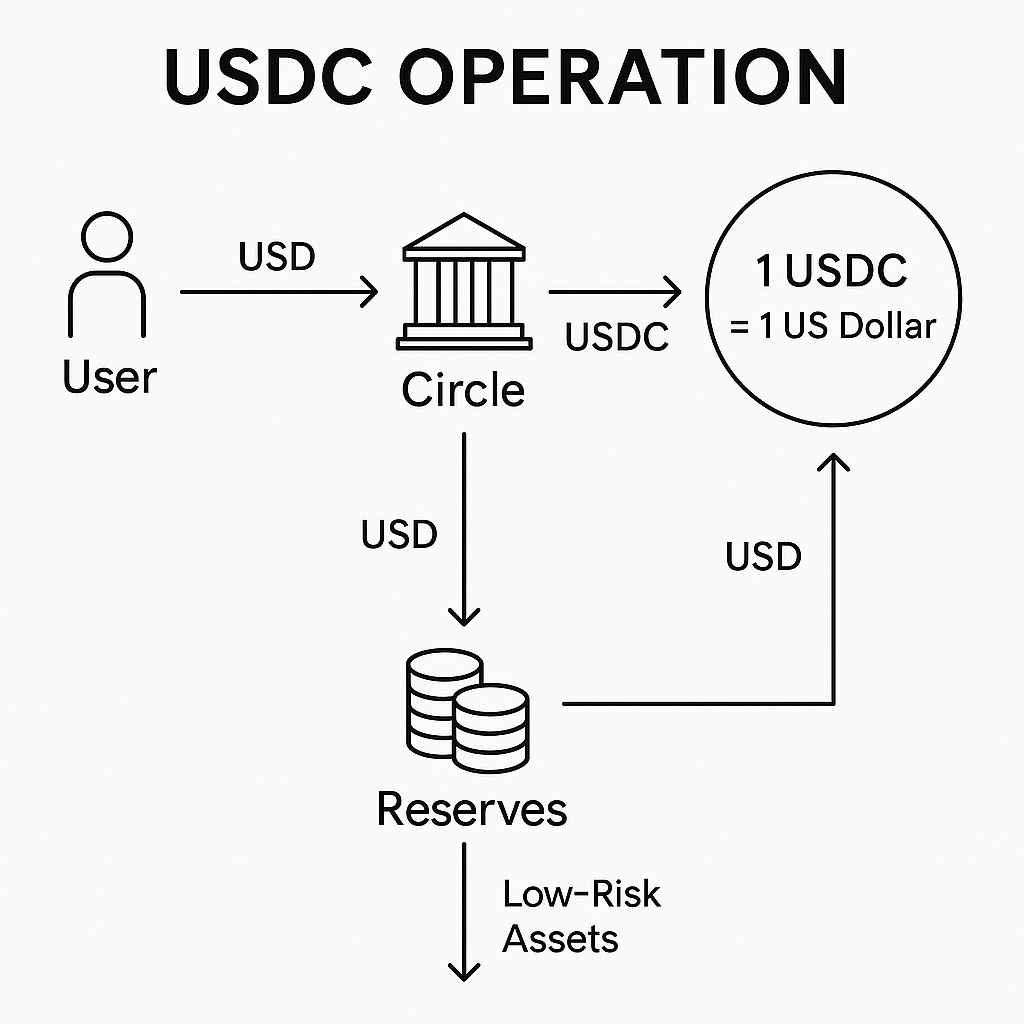
Circle publishes monthly attestation reports from independent accounting firms. Verify that the reserves are held in short-duration U.S. Treasuries and cash equivalents. If the reserve ratio falls below 100%, the peg is at risk. This is the single most important check for any stablecoin holder.
USDC operates under strict U.S. regulations, including anti-money laundering (AML) and know-your-customer (KYC) laws. Circle has faced scrutiny but maintains a compliant framework. Check if Circle has received any recent enforcement actions or fines. Regulatory clarity reduces the risk of sudden delistings or freezes.
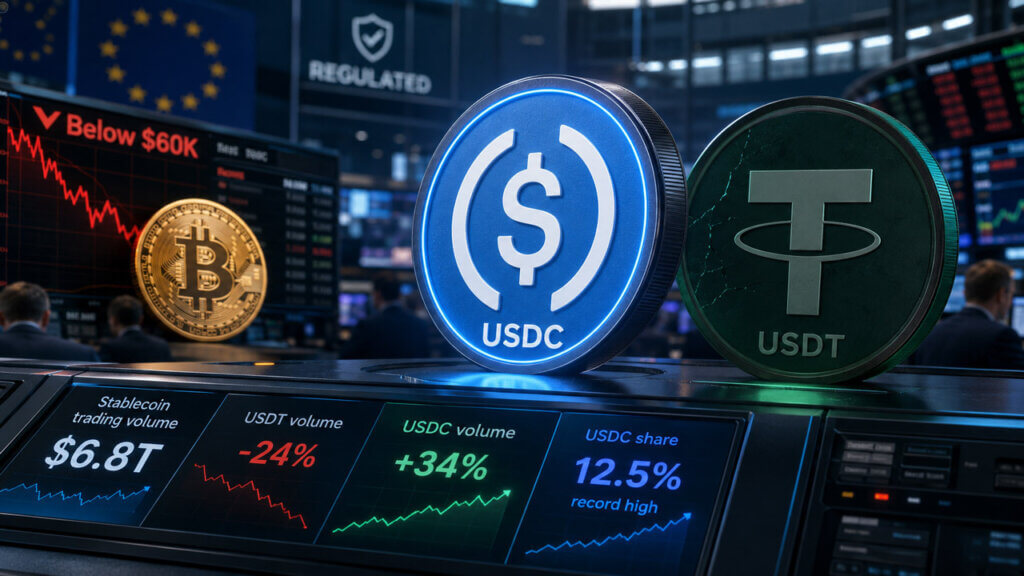
Many platforms offer yield on USDC, but this often comes with hidden risks. High yields may indicate lending to volatile assets or insufficient collateral. Stick to regulated platforms with transparent risk disclosures. Remember that yield is never guaranteed, and principal loss is possible if the lending platform fails.

Determine your primary use for USDC. For daily transactions and trading, its liquidity and wide acceptance make it a practical choice. For long-term savings, consider that inflation may erode value since USDC does not appreciate. If you need federal insurance, a traditional bank account is the only secure option for deposit protection.
| Feature | USDC | Bank Deposit | U.S. Treasuries |
|---|---|---|---|
| Federal Insurance | No | Yes (FDIC) | N/A |
| Reserve Backing | Yes (Treasuries/Cash) | N/A | N/A |
| Yield Potential | Low to Moderate | Low | Market Rate |
| Liquidity | High | High | Moderate |
Final Verdict: Is USDC Safe?
USDC is safe for transactions and short-term holdings if you trust Circle’s regulatory compliance and reserve transparency. It is not a substitute for federally insured bank accounts for long-term savings. For yield, stick to regulated platforms and understand the risks. Always diversify and never rely on a single asset for your entire financial safety net.
Watch Out for These USDC Misconceptions
USDC remains one of the most regulated stablecoins, but that doesn't make it risk-free. Several common claims obscure the actual tradeoffs between safety, yield, and regulatory exposure.
"USDC is Federally Insured"
This is false. USDC is not covered by FDIC insurance. While Circle holds reserves in cash and short-duration U.S. Treasuries, these assets are not bank deposits. If a reserve asset defaults or Circle faces liquidity constraints, your USDC is not guaranteed by the federal government. Always check Circle's monthly attestation reports to see the exact composition of reserves.
"Yield is Risk-Free"
Many platforms advertise "safe" yields on USDC, but this yield comes from the underlying reserve assets. If interest rates drop or Treasury yields decline, the yield disappears. More importantly, if you lend your USDC to a third-party protocol, you introduce counterparty risk. The stablecoin itself remains pegged, but your principal could be lost if the lending platform fails.
"It Can't Crash"
A de-peg is possible. While USDC has a strong track record, it is still exposed to systemic risks. Regulatory actions against Circle or a loss of confidence in the reserve model could cause a temporary de-peg. During the March 2023 banking crisis, USDC briefly lost its peg due to its exposure to Silicon Valley Bank. Always have an exit strategy and don't assume the peg is absolute.
"All Stablecoins Are the Same"
Not all stablecoins are backed by cash and Treasuries. Some are algorithmic or backed by volatile assets like Bitcoin. USDC's strength lies in its transparency and regulatory compliance, but this also makes it more vulnerable to specific regulatory crackdowns. Compare USDC's reserve structure against other stablecoins like DAI or USDT to understand where your risk actually lies.

No comments yet. Be the first to share your thoughts!