
The 2026 Stablecoin Landscape
The stablecoin market cap is surging toward a half-trillion-dollar milestone, shifting the industry from experimental crypto assets to regulated financial infrastructure. In 2026, the primary selection criteria for institutions and individuals alike are no longer just accessibility, but regulatory clarity and reserve transparency. The era of opaque backing is ending; compliance with emerging global frameworks is now the baseline for survival.
This regulatory tightening has consolidated the market around five major assets that meet strict legal standards. While thousands of tokens once competed for liquidity, only those with verifiable, audited reserves and clear jurisdictional standing remain viable. The focus has moved to concrete products—USDT, USDC, PYUSD, DAI, and USDG—that offer a blend of yield potential and legal safety.
The battle over monetary sovereignty is reaching a breaking point as these assets integrate with traditional banking systems. Investors are no longer betting on abstract categories but on specific issuers who can prove their solvency in real-time. This shift toward yield-bearing, compliant assets defines the current landscape, where stability is legally enforced rather than algorithmically guessed.
5 Stablecoins for 2026: Yield, Stability, and Regulatory Compliance
Navigating the 2026 stablecoin landscape requires strict adherence to regulatory compliance and verifiable reserve transparency. This analysis evaluates five concrete assets—USDT, USDC, PYUSD, DAI, and USDG—prioritizing official source data on market cap and legal standing over speculative yields.
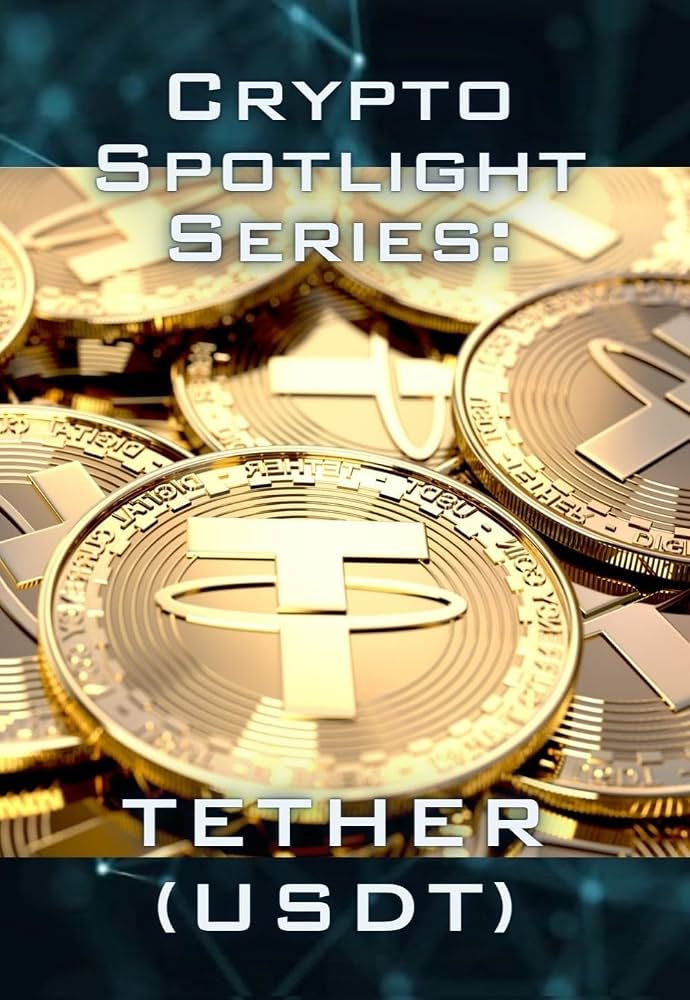
1. tether usdt for deep liquidity
Tether (USDT) remains the dominant force in crypto markets, offering unmatched liquidity across exchanges and payment rails. Its deep order books facilitate high-volume transactions with minimal slippage, making it the preferred choice for traders and institutions requiring immediate capital movement. This liquidity depth ensures stability during volatile market conditions, providing a reliable anchor for global digital asset flows.
2. usdc for institutional trust
USD Coin (USDC) distinguishes itself through rigorous regulatory compliance and transparent reserve reporting, appealing directly to institutional investors. Issued by Circle, USDC undergoes regular attestations by major accounting firms, ensuring that every token is backed by cash and short-dated U.S. Treasuries. This commitment to transparency and legal clarity makes USDC a cornerstone for compliant enterprise blockchain operations and regulated financial products.

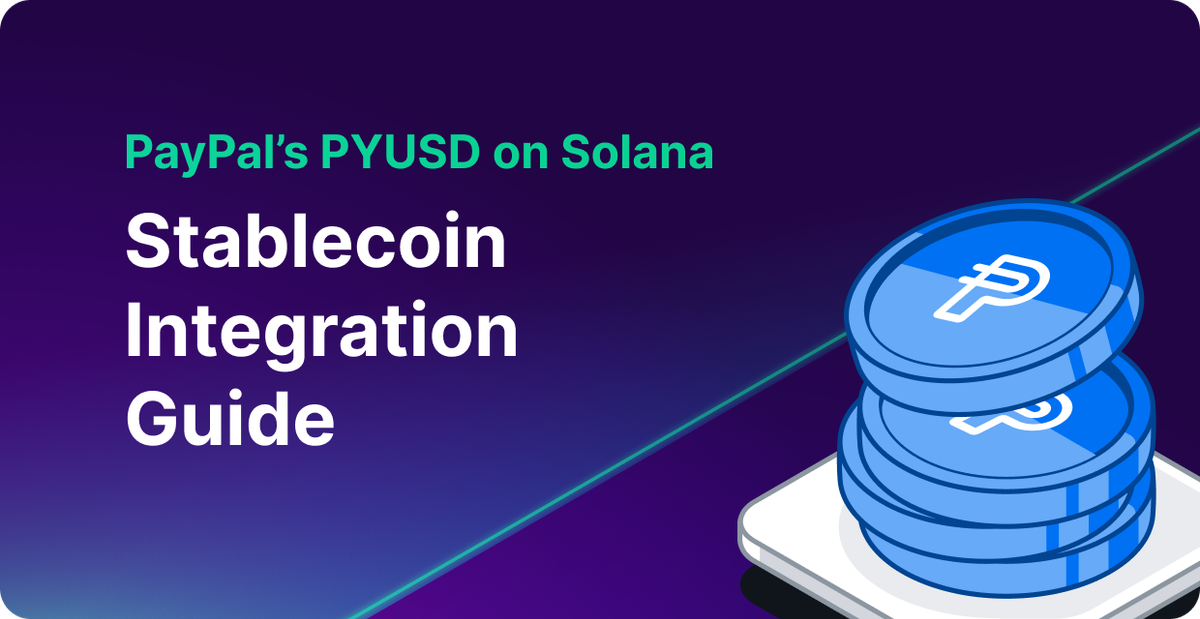
3. pyusd for brand-backed stability
PayPal USD (PYUSD) leverages the extensive brand recognition and financial infrastructure of PayPal to deliver a trusted stablecoin experience. Backed by fully reserved assets held in U.S. regulated institutions, PYUSD offers seamless integration for millions of PayPal users, bridging traditional finance and crypto. Its brand association provides a layer of consumer confidence and ease of onboarding, making it a powerful tool for mainstream digital payments.
4. dai for decentralized resilience
Dai stands as the premier decentralized stablecoin, governed by MakerDAO and backed by a diversified basket of crypto and real-world assets. Unlike centralized issuers, Dai’s stability mechanism relies on over-collateralization and autonomous smart contracts, reducing counterparty risk. This decentralized architecture ensures resilience against single points of failure, making it ideal for DeFi applications and users prioritizing censorship resistance and protocol-level security.
- smart contract auditing basics
- decentralized finance strategies
5. global dollar for enterprise payments
The Global Dollar (USDG) is engineered specifically for enterprise-grade payments, focusing on scalability and interoperability across traditional banking systems. Designed to facilitate cross-border transactions with speed and low costs, USDG integrates with existing financial infrastructure to streamline global commerce. Its regulatory-ready framework and focus on B2B use cases make it a strategic asset for corporations seeking efficient, compliant digital settlement solutions.

Stablecoin Comparison: Yield, Stability, and Compliance
Selecting a stablecoin requires balancing yield potential against regulatory scrutiny and reserve transparency. The five leading options—Tether (USDT), USD Coin (USDC), PayPal USD (PYUSD), DAI, and Global Stablecoin (USDG)—offer distinct profiles for institutional and retail users.
This comparison highlights the primary differences in reserve composition, compliance frameworks, and yield mechanisms. While Tether dominates in liquidity, USDC and PYUSD lead in regulatory adherence. DAI offers algorithmic resilience, and USDG represents emerging institutional infrastructure.
| Stablecoin | Reserve Type | Yield Potential | Regulatory Status |
|---|---|---|---|
| Tether (USDT) | Cash, Treasuries, Commercial Paper | Low (Native) | Mixed (Global) |
| USD Coin (USDC) | Cash, Short-Term Treasuries | Moderate (DeFi/Staking) | High (US Regulated) |
| PayPal USD (PYUSD) | Cash, Short-Term Treasuries | Low (Native) | High (US Regulated) |
| DAI | Crypto Collateral, Treasuries | High (DeFi Protocols) | Decentralized (Global) |
| USDG | Diversified Assets | Variable | Emerging (Institutional) |
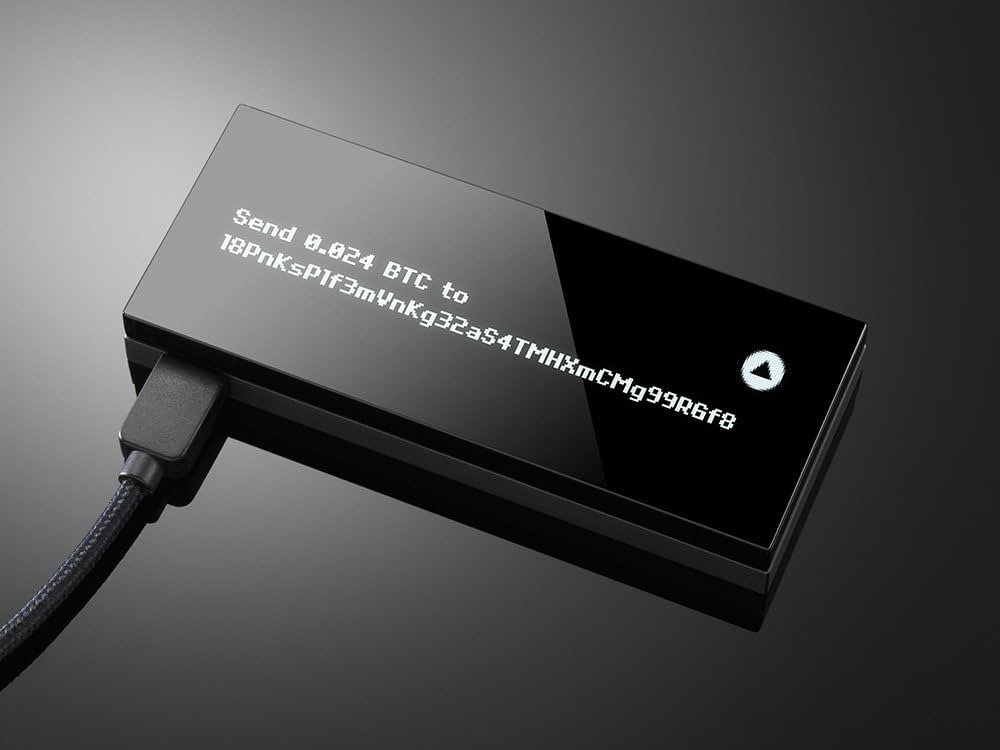
Related Hardware Wallets
Securing stablecoins requires dedicated hardware solutions. The following products offer robust cold storage options for managing your digital assets securely.


As an Amazon Associate, we may earn from qualifying purchases.
Live Market Data
Monitor the current performance of these stablecoins in real-time.
Stablecoin FAQs for 2026
What is the best stablecoin in 2026? No single asset dominates all use cases. Tether (USDT) leads in market capitalization at $188 billion, offering deep liquidity for high-volume trading. USDC is preferred by institutional investors due to its strict regulatory compliance and reserve transparency. For users prioritizing decentralized governance, DAI remains a strong alternative.
Which coin will explode in 2026? Stablecoins are designed for stability, not explosive growth. By definition, assets like USDT, USDC, PYUSD, and DAI maintain a peg to the US dollar, making 1000x potential mathematically impossible. Investors seeking high volatility should look to speculative altcoins, not regulated stable assets.
What is the most promising stablecoin? Promising assets in 2026 prioritize regulatory alignment and reserve quality. USDG offers a compliant framework for traditional finance integration. PYUSD brings PayPal’s enterprise-grade reliability to the market. Both are positioned to capture institutional capital as global regulations tighten.
What are the top 5 stablecoins for 2026? The leading five are Tether (USDT), USD Coin (USDC), PayPal USD (PYUSD), Dai (DAI), and USDG. Each serves a specific niche: USDT for liquidity, USDC for compliance, PYUSD for retail convenience, DAI for decentralization, and USDG for institutional adoption.


As an Amazon Associate, we may earn from qualifying purchases.

No comments yet. Be the first to share your thoughts!