
Stablecoins 2026
Choosing a stablecoin in 2026 requires looking beyond price stability. The real test is regulatory compliance and reserve transparency. We evaluated the top five digital assets based on their legal standing, audit history, and yield potential for 2026.
Our selection prioritizes assets with clear U.S. regulatory frameworks and regular attestation reports. We filtered out projects with opaque reserve structures or pending legal challenges. This ensures your capital remains protected against sudden depegging or exchange freezes.
The following picks balance safety with accessible yield opportunities. Each entry includes a brief breakdown of its reserve backing and current market standing.
5 Regulatory-Compliant Stablecoins in 2026: Best Picks for Yield and Safety
In 2026, regulatory scrutiny has narrowed the stablecoin market to a handful of assets with transparent reserves and clear legal standing. We evaluated five compliant options based on their audit history, yield mechanisms, and safety records to help you choose the right balance of return and security.
1. USDC: Circle's Fully Reserved Compliance Model
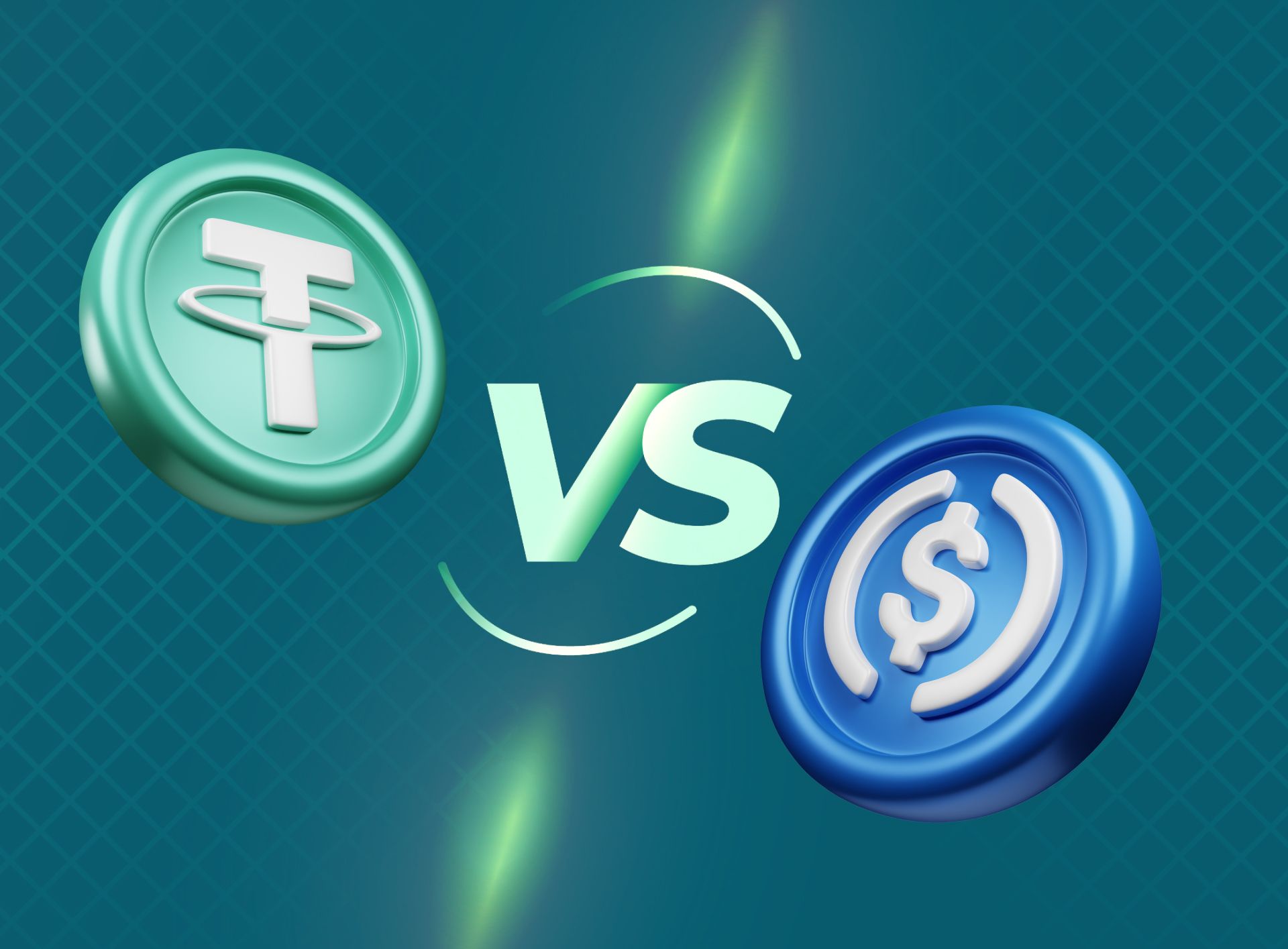
USDC stands out for its strict adherence to MiCA regulations and full backing by cash and short-term U.S. Treasuries. Circle’s monthly attestation reports provide transparency, making it a preferred choice for institutional players seeking regulatory safety. Its integration with major payment rails ensures seamless fiat on-ramps.

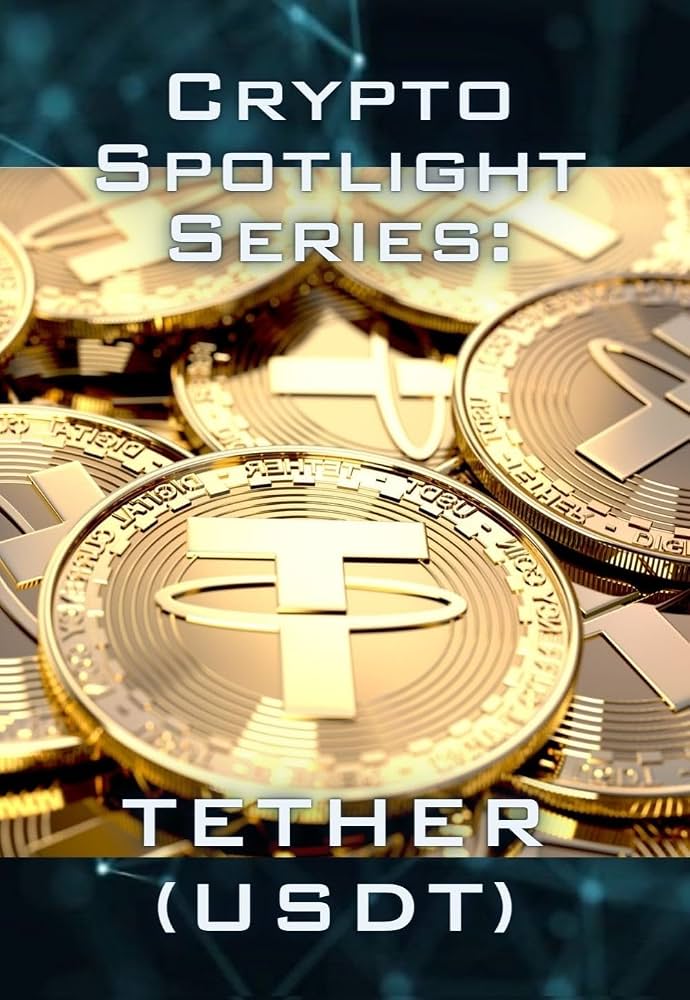
2. USDT: Tether's High Liquidity and Audit Transparency
Tether remains the dominant stablecoin by trading volume, offering unparalleled liquidity across global exchanges. While historically scrutinized, its recent reserve reports and increased transparency measures have bolstered trust. USDT is the go-to asset for high-frequency traders needing immediate execution without slippage.
3. PYUSD: PayPal's Regulated Fiat-Backed Infrastructure
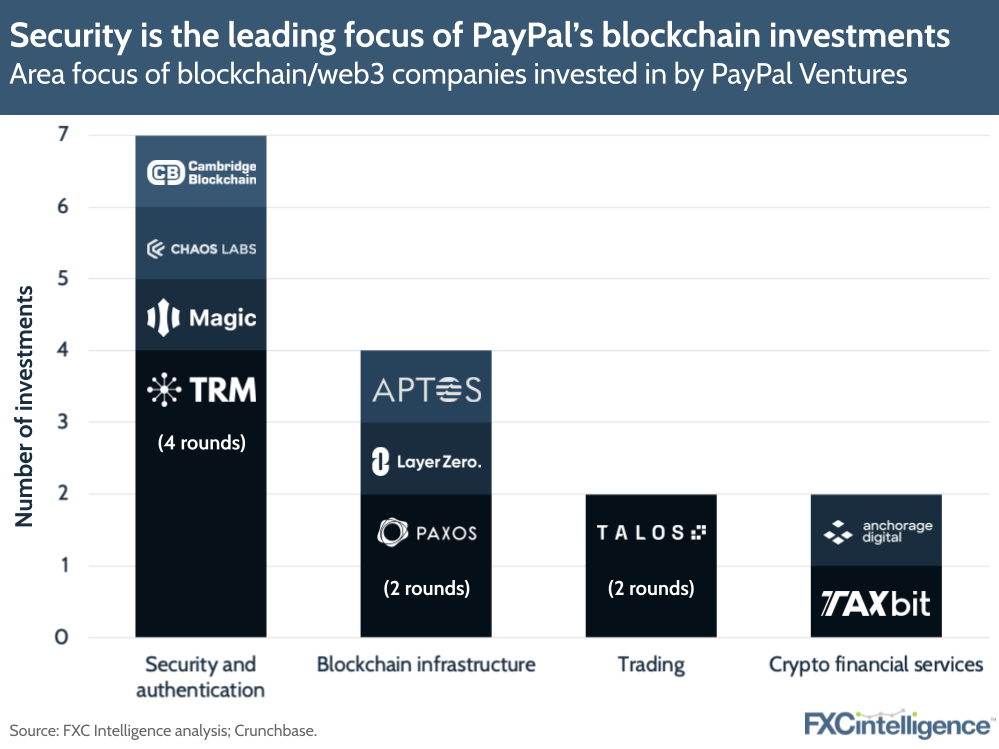
PayPal’s PYUSD leverages the tech giant’s existing financial infrastructure to offer a highly regulated, fiat-backed stablecoin. Backed by U.S. Treasuries and cash deposits, it appeals to everyday consumers already familiar with the PayPal ecosystem. Its regulatory clarity provides a safe haven for mainstream adoption.
4. GUSD: Gemini's New York Banking Charter Stability
Gemini Dollar (GUSD) benefits from Gemini Trust Company’s New York banking charter, ensuring strict compliance with local financial laws. Backed 1:1 by U.S. dollars held in FDIC-insured banks, it offers a conservative approach for risk-averse investors. Its focus on compliance makes it ideal for corporate treasuries.

5. FDUSD: First Digital's Low-Fee Exchange Integration
First Digital USD (FDUSD) is gaining traction through deep integration with major crypto exchanges, offering low-fee trading pairs. Its reserve structure emphasizes transparency and regulatory cooperation, appealing to traders seeking cost efficiency. FDUSD’s rapid adoption highlights the demand for exchange-native stablecoin solutions.
Pick the right fit
Choosing a stablecoin isn't just about yield; it's about matching the asset to your specific risk tolerance and use case. A regulatory-compliant stablecoin like USDC or FDUSD offers peace of mind through regular attestation reports, but you need to verify how those reserves are held and whether they are liquid enough to cover redemptions instantly.
Start by checking the issuer's regulatory status. Look for entities registered as Money Service Businesses (MSBs) or those that have undergone independent audits. For example, Circle publishes monthly reserve breakdowns, while Tether has faced scrutiny over its commercial paper holdings. Transparency is your primary defense against de-pegging events.
Next, consider the ecosystem where you'll use the coin. Some exchanges offer higher yields on USDC due to deeper liquidity pools, while others might prefer USDT for trading pairs. If you're holding for long-term safety, prioritize coins with multi-chain support and robust insurance funds. Don't chase the highest APY if it means locking your funds in a less transparent protocol.
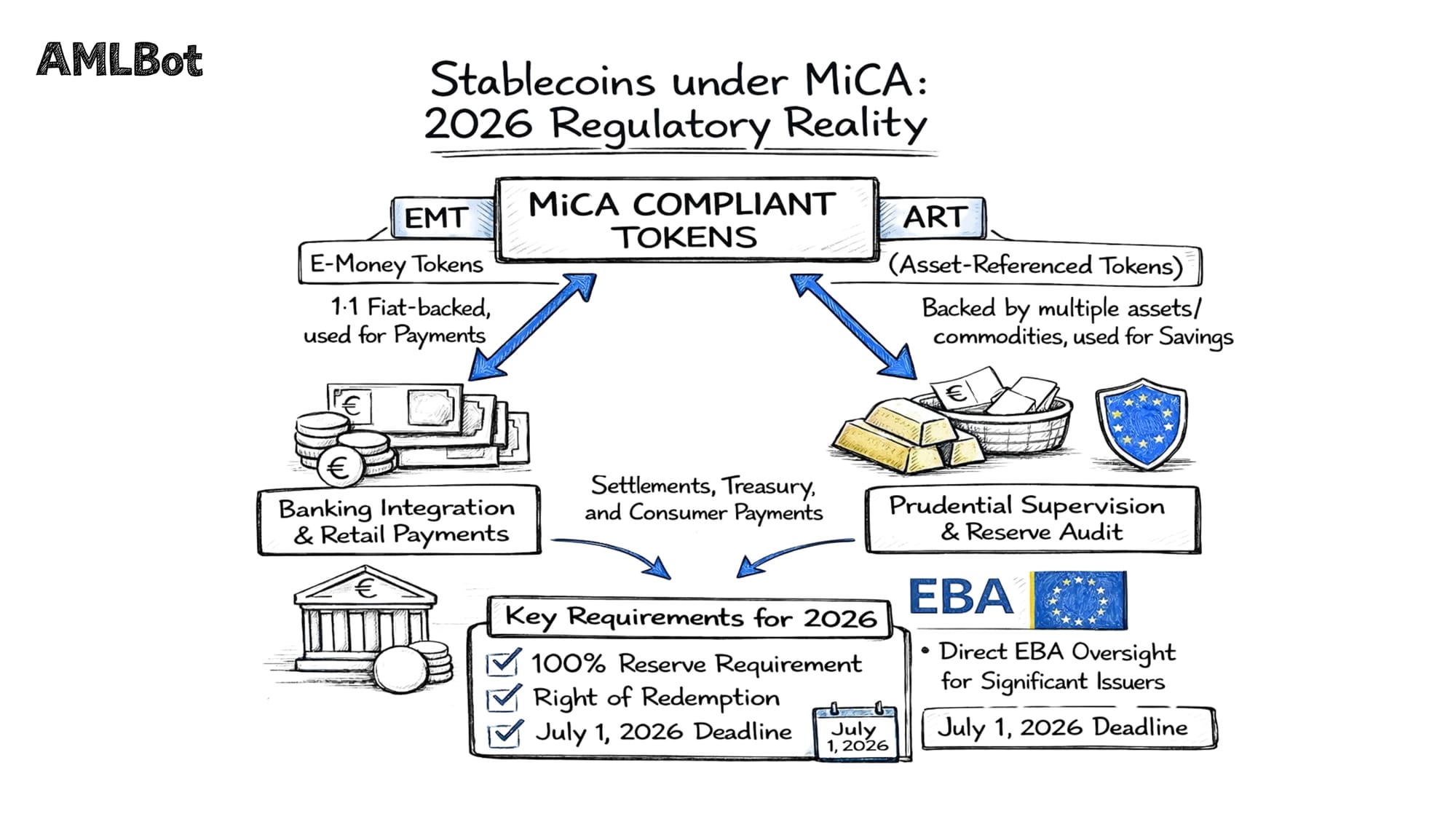
Confirm the issuer is registered with relevant financial authorities like the FinCEN in the US or complies with MiCA in the EU. Check their website for compliance statements and audit history.
Review the latest attestation or audit report. Ensure reserves are primarily held in cash and short-term U.S. Treasury bills, which are less volatile than commercial paper or corporate bonds.
Ensure the stablecoin is widely supported on your preferred exchanges. High liquidity means you can enter and exit positions quickly without significant slippage or fees.
| Feature | USDC | USDT | FDUSD |
|---|---|---|---|
| Regulatory Status | Fully Compliant | MSB Registered | MSB Registered |
| Reserve Type | Cash & T-Bills | Mixed (T-Bills, Cash, Commercial Paper) | Cash & T-Bills |
| Audit Frequency | Monthly Attestation | Monthly Attestation | Monthly Attestation |


As an Amazon Associate, we may earn from qualifying purchases.
Regulatory-compliant stablecoins in 2026: common: what to check next
Investors navigating the 2026 stablecoin market often face confusion regarding regulatory status, market leaders, and related investment vehicles. Below are direct answers to the most frequent questions about stability, compliance, and asset selection.

No comments yet. Be the first to share your thoughts!