The 2026 stablecoin landscape
The stablecoin market has moved past the era of unchecked growth. In 2026, the defining characteristic of the sector is no longer just market capitalization, but regulatory compliance and reserve transparency. This shift fundamentally changes how investors evaluate digital assets, prioritizing issuers who provide verifiable proof of backing over those who simply offer high liquidity.
Tether (USDT) remains the dominant force by volume, handling approximately $50–80 billion in daily spot volume across major exchanges like Binance and OKX. Its position is secured by deep integration into trading pairs for BTC, ETH, and altcoins. However, its size does not exempt it from scrutiny; the market now demands clear visibility into its reserve composition, which includes a mix of cash, short-term US treasuries, and other assets.
Circle’s USDC has carved out a parallel niche by emphasizing monthly attestations and full reserve transparency. This approach appeals to institutional players and regulated entities that require strict adherence to financial standards. Meanwhile, PayPal’s PYUSD represents the entry of traditional fintech into the space, offering a regulated alternative backed by US dollars and short-term treasuries.
The 2026 landscape favors stability through verification. Investors must look beyond price pegs to examine the actual assets backing each token. This focus on structural integrity ensures that stablecoins function as reliable tools rather than speculative vehicles.
5 Stablecoins for 2026: A Regulated Market Guide
In 2026, regulatory compliance is the primary determinant of stablecoin viability, making structural transparency more critical than market capitalization. This guide evaluates USDC, USDT, and PYUSD based on verified reserve audits and jurisdictional adherence, filtering out speculative assets in favor of institutionally backed instruments.
1. USDC structural reserves and regulatory compliance
Circle’s USDC stands as the gold standard for regulatory transparency, with reserves held entirely in short-duration U.S. Treasuries and cash. This structure minimizes credit risk while ensuring strict adherence to evolving financial regulations. For institutional investors seeking safety and auditability, USDC offers a predictable, compliant framework that prioritizes capital preservation over speculative yield.
2. USDT liquidity depth and audit transparency
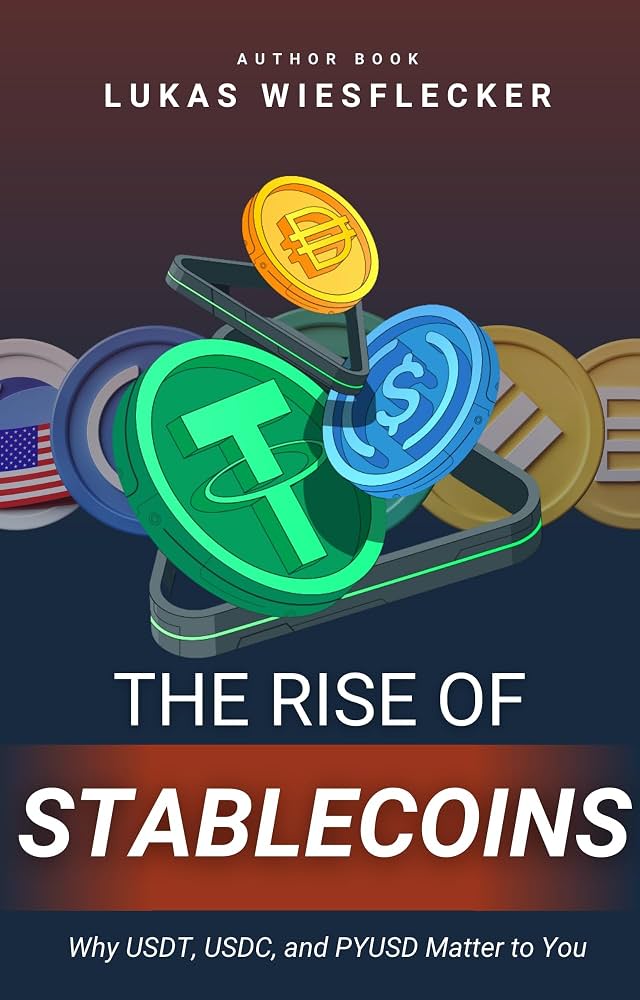
Tether’s USDT remains the dominant force in global crypto liquidity, facilitating massive daily trading volumes across exchanges. While its reserve composition has faced scrutiny, recent attestation reports provide clearer visibility into its backing assets. Traders rely on USDT for its unparalleled market depth, making it essential for executing large orders with minimal slippage in volatile conditions.

3. PYUSD regulatory framework and reserve backing
PayPal’s PYUSD represents a new wave of regulated stablecoins, backed by short-term U.S. Treasuries and insured deposits. Issued by Paxos Trust Company, it operates under strict New York Department of Financial Services oversight. This regulatory clarity makes PYUSD particularly attractive for mainstream financial integration, offering users a familiar, compliant bridge between traditional banking and digital asset ecosystems.
4. GUSD institutional custody and regulatory status
Gemini Dollar (GUSD) distinguishes itself through its focus on institutional-grade custody and strict regulatory compliance. Issued by Gemini Trust Company, it maintains a 1:1 reserve ratio backed by cash and short-term U.S. Treasuries. Its regulatory clarity and secure custody solutions make it a preferred choice for enterprises requiring robust compliance standards and secure asset storage in their digital treasury operations.

5. FDUSD exchange integration and reserve audits
First Digital USD (FDUSD) has gained traction through deep integration with major cryptocurrency exchanges, offering seamless trading pairs. Its reserve structure, backed by cash and short-term U.S. Treasuries, undergoes regular audits to ensure transparency. This exchange-centric approach provides traders with high liquidity and efficient settlement, making FDUSD a practical tool for active trading strategies within regulated digital asset markets.

USDC vs USDT in 2026
Choosing between USD Coin (USDC) and Tether (USDT) comes down to prioritizing regulatory clarity or trading liquidity. Both assets maintain their peg to the US dollar, but their underlying structures and primary use cases differ significantly.
USDC, issued by Circle, is built on a foundation of transparency. It publishes monthly attestation reports detailing its reserves, which are held in cash and short-dated US Treasuries. This structure appeals to institutional investors and those who prioritize regulatory compliance within the US financial system. In contrast, Tether (USDT) is the market leader by volume. It operates with greater opacity regarding its reserve composition, which includes commercial paper and other assets, but it offers unmatched liquidity across global exchanges.
The decision often depends on where you intend to use the asset. USDT dominates spot trading volume on centralized exchanges like Binance and OKX, making it the default choice for active traders. USDC is frequently preferred for DeFi applications and holding, where auditability and regulatory safety are paramount.
| Feature | USDC | USDT |
|---|---|---|
| Issuer | Circle (US-based) | Tether (Offshore) |
| Reserve Transparency | Monthly attestations | Quarterly reports |
| Primary Use Case | DeFi, institutional holding | Centralized exchange trading |
| Regulatory Status | High (US regulated) | Moderate (Global) |
For most users, holding USDC provides peace of mind through verifiable reserves, while using USDT ensures access to the deepest liquidity pools for trading. Neither asset is inherently superior; they serve different roles in a diversified crypto portfolio.
How to earn yield on stablecoins
Stablecoins like USDC, USDT, and PYUSD are not just for holding. They serve as the foundation for yield-generating strategies, but these returns come with structural risks that differ significantly from traditional savings accounts. Understanding the mechanics of these products is essential before committing capital.
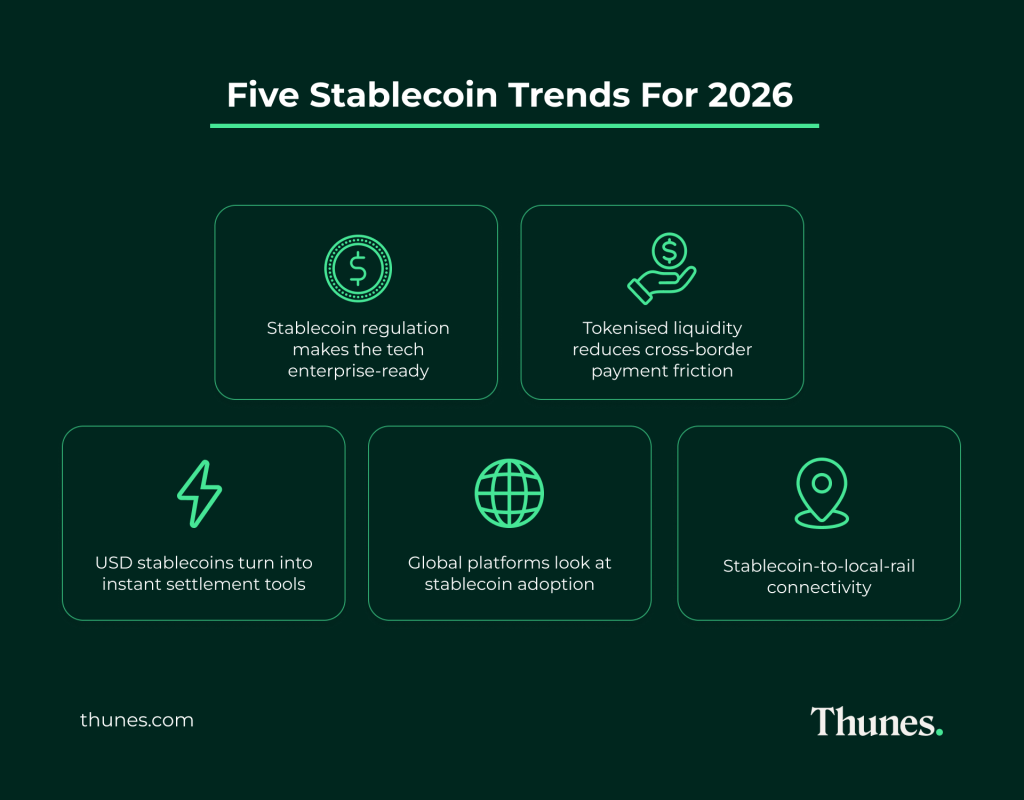
Platforms like Coinbase offer native earning on USDC and PYUSD, often backed by reserve assets such as U.S. Treasury bills. These products provide transparent, regulated exposure to interest rates without requiring you to move funds to decentralized protocols. Always verify the issuer’s reserve reports to ensure the backing assets are liquid and high-quality.
Even regulated stablecoins can lose their $1.00 peg during periods of market stress or regulatory uncertainty. USDT and USDC have maintained pegs through extreme volatility, but historical precedents like TerraUSD (UST) demonstrate that algorithmic or poorly collateralized models can fail catastrophically. Diversifying across issuers mitigates this concentration risk.
When yield is generated through decentralized finance (DeFi) protocols, you are exposed to smart contract risk. Unlike bank deposits, there is no FDIC insurance. If a protocol is exploited or contains a critical bug, funds can be lost permanently. Only engage with audited contracts from reputable teams and consider the protocol’s track record before depositing USDC or other stablecoins.
Frequently asked: what to check next
Helpful gear
Use these product recommendations as a starting point, then choose the size, material, and price point that fit how you actually use the gear.


As an Amazon Associate, we may earn from qualifying purchases.
No comments yet. Be the first to share your thoughts!