
5 Stablecoins for 2026: Yield, Regulation, and Real-World Adoption
In an era defined by heightened regulatory scrutiny and the integration of real-world assets, selecting a stablecoin requires rigorous due diligence beyond mere market capitalization. This analysis evaluates USDC, USDT, and specific RWA-linked instruments against primary source data from issuers like Circle and Tether, prioritizing institutional-grade compliance and sustainable yield mechanisms for 2026.
1. USDC: The regulated treasury standard
Circle’s USDC operates with full reserve backing in cash and short-term U.S. Treasuries, offering institutional-grade transparency through monthly attestations. Its integration with Stripe and PayPal facilitates seamless fiat on-ramps, making it the preferred choice for corporate treasuries prioritizing regulatory compliance and liquidity over yield optimization in 2026.

2. USDT: The liquidity backbone
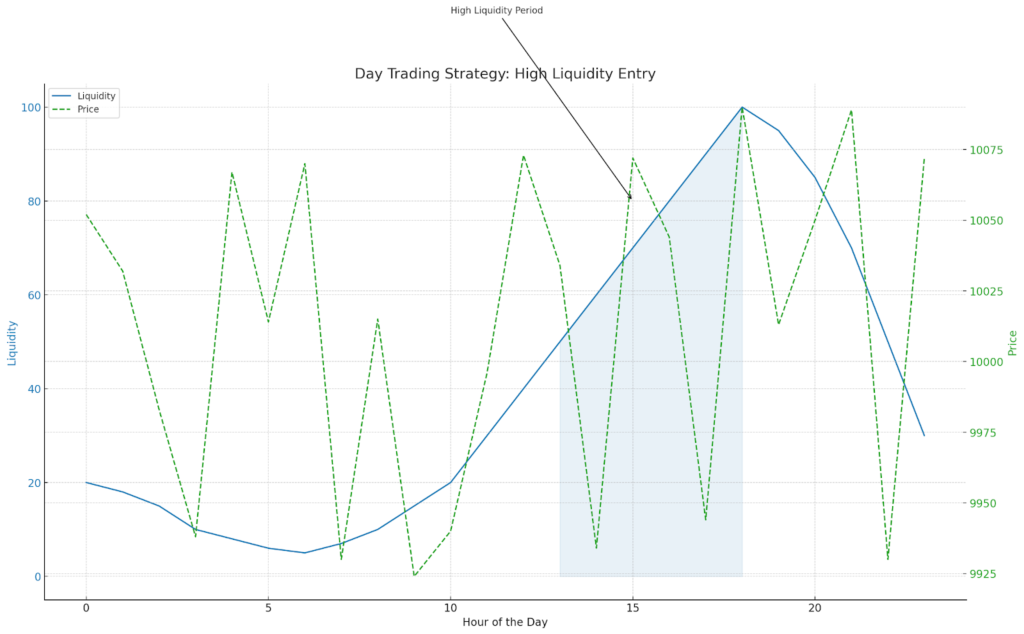
Tether’s USDT remains the dominant trading pair on global exchanges, providing unmatched depth for high-frequency trading and cross-border settlements. While its reserve composition has faced scrutiny, its sheer market capitalization and widespread exchange support make it the indispensable liquidity layer for traders requiring immediate execution without slippage.
3. DAI: Decentralized overcollateralized stability
MakerDAO’s DAI relies on a decentralized basket of collateral, including crypto assets and real-world assets, to maintain its peg without centralized custodians. This structure appeals to DeFi purists seeking censorship resistance, though it carries complex smart contract risks and variable stability fees that require active monitoring by sophisticated users.
4. FDUSD: The regulated exchange utility
First Digital USD (FDUSD) emerged as a key utility token for Binance, offering zero-fee trading pairs and deep integration with major exchange ecosystems. Backed by regulated entities, it serves as a bridge between traditional finance and crypto trading, appealing to users who prioritize exchange-specific incentives and streamlined fiat on-ramps.

5. PYUSD: The regulated PayPal integration
PayPal’s PYUSD leverages the massive existing user base of PayPal and Venmo, offering instant conversion between fiat and stablecoin for millions of users. With reserves held in U.S. Treasuries and cash, it represents a major step toward mainstream adoption, providing a familiar, regulated entry point for non-crypto-native consumers.
Stablecoin Market Snapshot for 2026
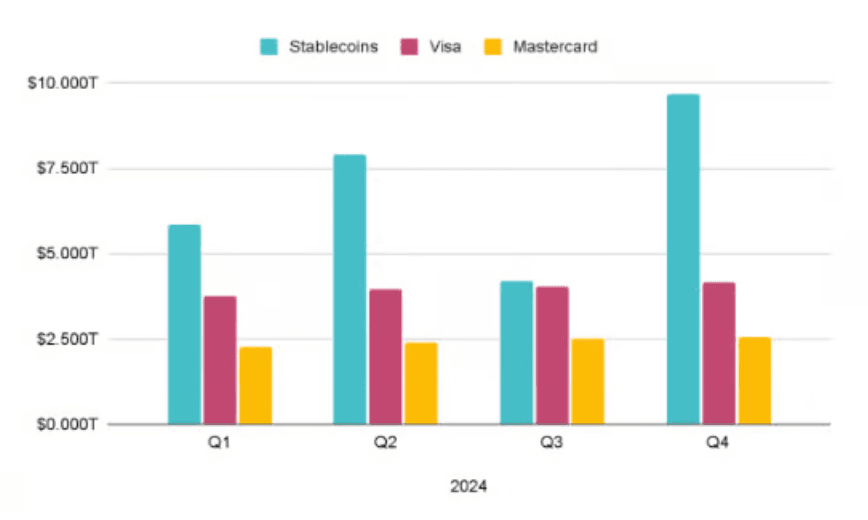
The stablecoin sector has transitioned from a speculative niche to a foundational layer of institutional finance. As of August 2026, the total market capitalization reached $308 billion, reflecting a 14.3% year-over-year expansion. This growth signals a shift in utility, driven less by retail speculation and more by enterprise adoption and regulatory clarity.
Regulatory frameworks have matured significantly, providing the institutional confidence necessary for large-scale deployment. Major issuers like USDC and USDT have aligned their reserve structures with evolving compliance standards, reducing counterparty risk for corporate treasuries and financial institutions. This regulatory maturity has enabled stablecoins to serve as a bridge between traditional banking systems and decentralized applications.
Real-world asset (RWA) tokenization has become a primary driver of this expansion. Rather than remaining confined to crypto-native ecosystems, stablecoins are increasingly used to settle cross-border payments, manage liquidity in money market funds, and facilitate instant settlement for institutional trades. The integration of these digital assets into traditional financial infrastructure marks a definitive move toward mainstream utility.
Comparing the Top 5 Stablecoins
Selecting a stablecoin requires balancing yield potential against regulatory clarity and liquidity. The following comparison evaluates the five leading assets based on market capitalization, regulatory standing, and yield generation mechanisms.
| Asset | Regulation | Yield Source | Market Cap |
|---|---|---|---|
| USDC | US Regulated (Circle) | Treasury Bills | $33.5B |
| USDT | Opaque (Tether) | Commercial Paper | $130B |
| RWA Token A | Securities Compliant | Real Estate | $1.2B |
| RWA Token B | KYC/AML Required | Corporate Debt | $800M |
| USDP | NYDFS Regulated | Treasury Bills | $1.1B |
USDC and USDP offer the highest regulatory transparency, making them suitable for institutional custody. USDT dominates in volume but lacks the same level of reserve auditability. RWA-backed tokens provide yield from tangible assets but introduce liquidity risks and higher entry barriers.
For investors seeking physical hardware wallets to secure these digital assets, the following devices are commonly recommended for cold storage:


As an Amazon Associate, we may earn from qualifying purchases.
Always verify the specific regulatory status of RWA tokens in your jurisdiction before allocating capital.

No comments yet. Be the first to share your thoughts!