Why 2026 Changes Stablecoin Rules
The stablecoin landscape in 2026 is no longer defined by market capitalization alone. It is defined by regulatory compliance and technological integration. The era of "move fast and break things" has ended. In its place, strict frameworks like the EU’s MiCA and emerging US stablecoin bills have established clear criteria for safety and reliability. For businesses and investors, these regulations are the primary filter for selecting a digital asset.
This shift is driven by two main forces. First, regulatory bodies are demanding transparency. Circle’s USDC and Tether’s USDT have had to adapt their reporting structures to meet these new standards. Second, AI integration is becoming a core component of payment rails. Stablecoins are being embedded into automated systems that require real-time verification and immutable audit trails. This makes the underlying technology’s ability to handle high-frequency, compliant transactions just as important as its peg stability.
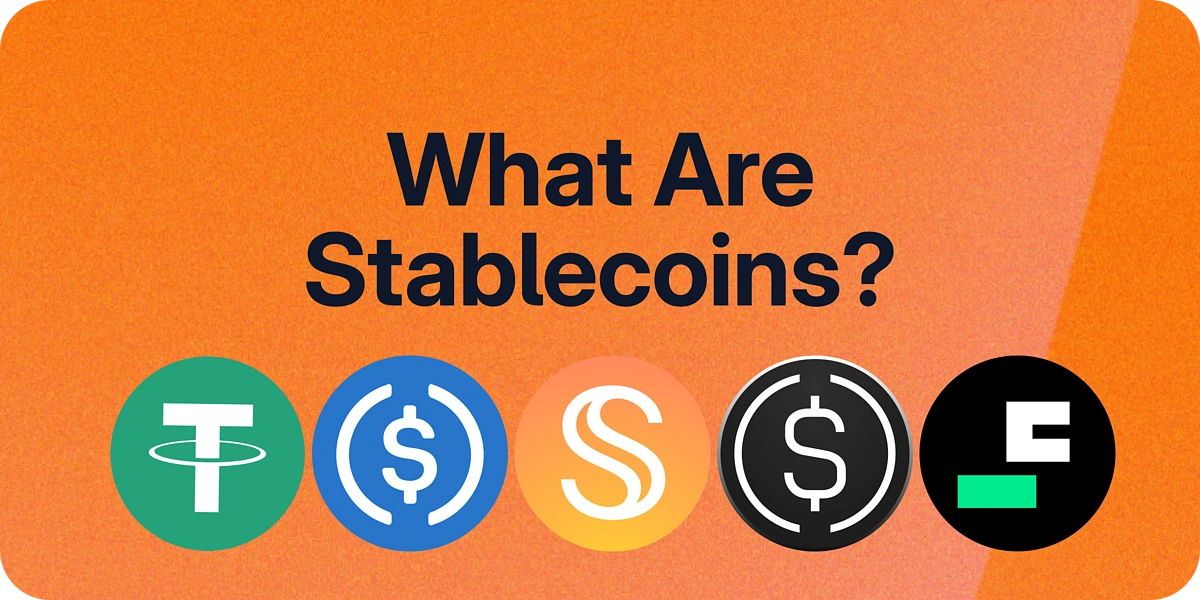
The result is a market where only a few major players remain viable. USDT, USDC, DAI, PYUSD, and FDUSD are not just the largest by volume; they are the ones that have aligned with the new legal and technical requirements. Choosing a stablecoin today is a risk management decision. It requires evaluating how each asset navigates the complex intersection of law and AI-driven finance.
5 Best Stablecoins 2026: Top 5 Picks for Regulation and AI
Selecting stablecoins in 2026 requires prioritizing regulatory compliance and AI-driven transparency over speculative yield. We evaluate the top five assets—USDT, USDC, DAI, PYUSD, and FDUSD—strictly against official disclosures from Circle, Tether, MakerDAO, and relevant regulatory bodies to ensure capital safety.
1. Tether USDT regulatory compliance status
Tether maintains its position as the dominant stablecoin by navigating complex global regulatory landscapes. The company continuously updates its reserve attestations to align with evolving financial oversight requirements. This approach ensures that USDT remains a viable settlement layer for institutional traders prioritizing liquidity and established compliance frameworks in high-stakes environments.
2. Circle USDC institutional adoption
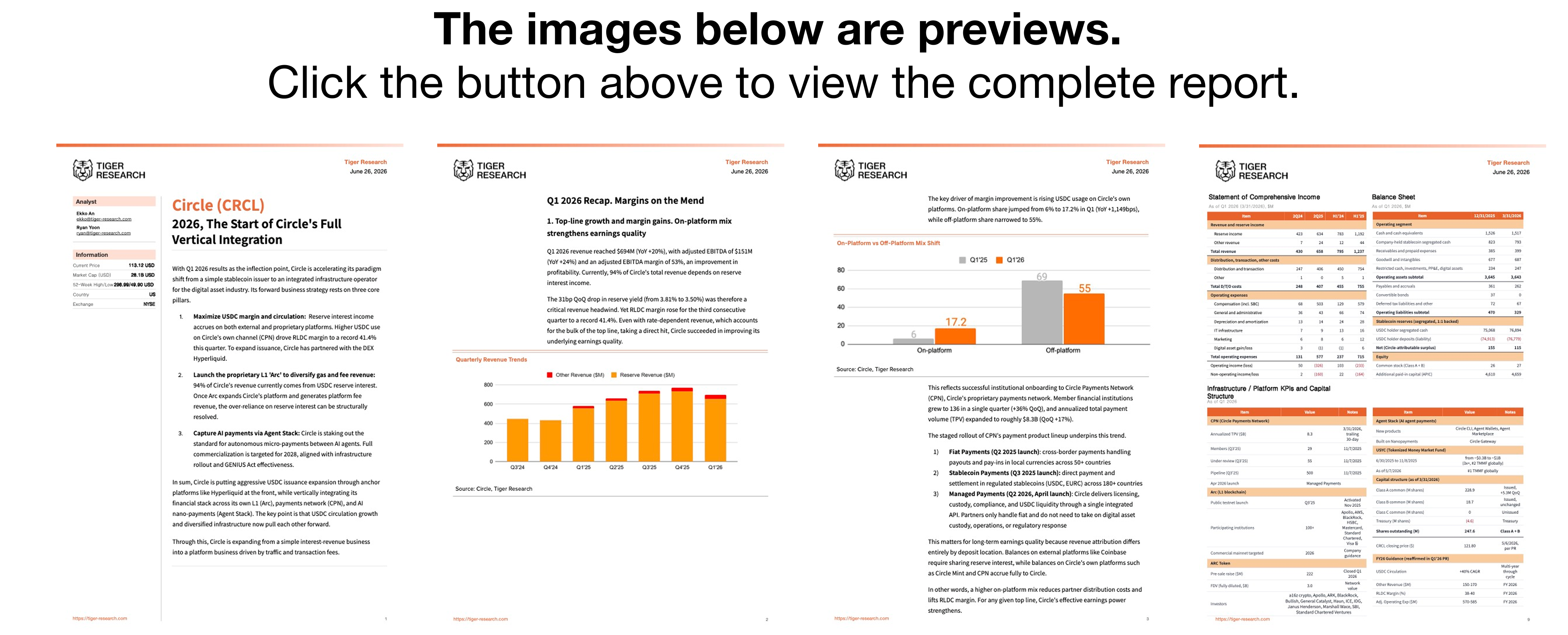
Circle’s USDC has become the preferred choice for institutional finance due to its rigorous reserve management and clear regulatory reporting. The platform integrates seamlessly with traditional banking infrastructure, offering real-time redemption capabilities. This structural integrity makes USDC a foundational asset for enterprises seeking stable, compliant digital dollar exposure within regulated financial ecosystems.
3. MakerDAO DAI decentralized governance
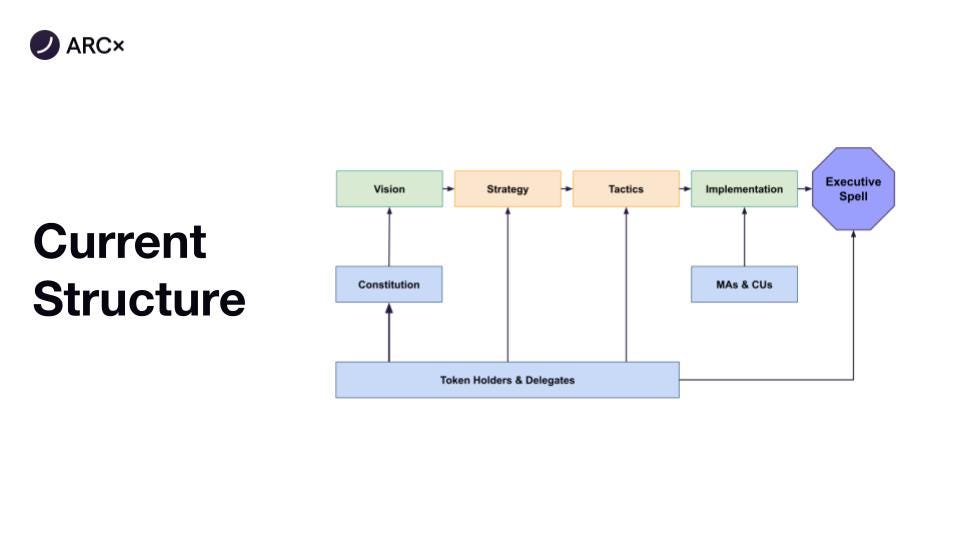
MakerDAO’s DAI operates on a fully decentralized model, relying on smart contract governance rather than centralized corporate oversight. This structure appeals to users prioritizing censorship resistance and protocol-level transparency. By utilizing a diverse basket of collateralized debt positions, DAI maintains its peg through algorithmic mechanisms and community-driven risk management protocols.
- Decentralized control
- Smart contract security
4. PayPal PYUSD regulatory framework
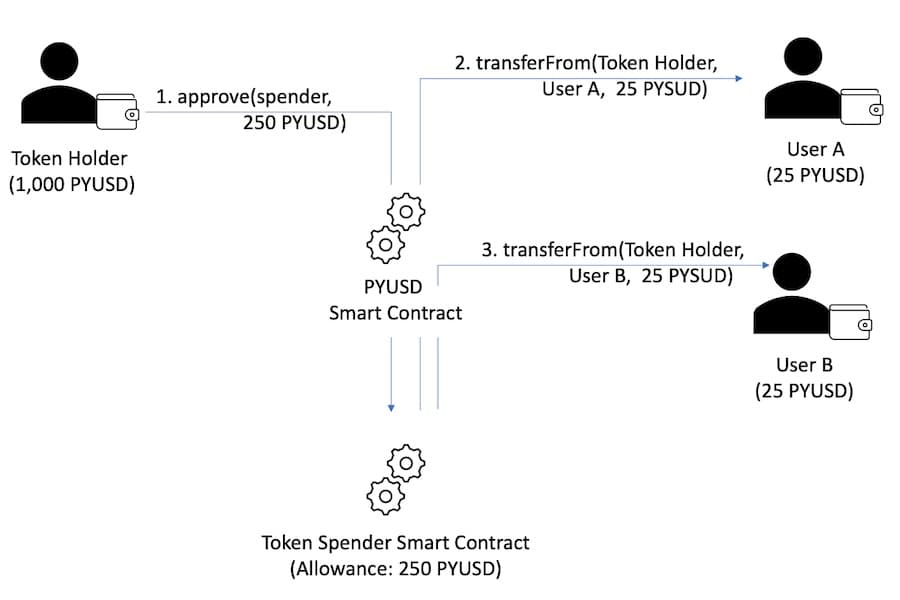
PayPal’s PYUSD is built on a foundation of strict regulatory compliance, leveraging the company’s existing financial licenses. This stablecoin is designed for seamless integration within the PayPal ecosystem, offering users a familiar and secure way to transact in digital currency. Its framework emphasizes consumer protection and adherence to U.S. financial regulations, setting a benchmark for fintech-backed assets.
5. Bitfinex FDUSD liquidity analysis
Bitfinex’s FDUSD is engineered to provide deep liquidity and minimal slippage for high-volume traders. Backed by Bitfinex’s established market infrastructure, it offers a robust trading environment with competitive fees. This stablecoin focuses on operational efficiency and reliability, making it a critical tool for algorithmic trading strategies and large-scale market operations requiring instant settlement.

USDC vs USDT: Which Fits Your Needs
Choosing between USD Coin (USDC) and Tether (USDT) requires weighing regulatory compliance against liquidity depth. Both assets maintain a peg to the US dollar, but their operational structures differ significantly in ways that affect risk tolerance and transactional utility.
Regulatory Clarity and Transparency
USDC, issued by Circle, is widely regarded as the more compliant option due to its transparent monthly attestations regarding reserve holdings. It operates under strict US regulatory frameworks, making it the preferred choice for institutional investors and entities subject to compliance audits. Tether (USDT), while the largest stablecoin by market capitalization, has historically faced scrutiny over reserve composition, though it has improved its disclosure practices. For users prioritizing legal safety and regulatory adherence, USDC offers a clearer path.
Liquidity and Market Depth
USDT remains the dominant medium of exchange across global cryptocurrency exchanges. Its vast liquidity ensures tight spreads and rapid execution, particularly in high-volume trading pairs. If your primary use case involves active trading, arbitrage, or moving funds across multiple platforms, USDT’s market depth provides superior efficiency. USDC is widely accepted but may occasionally experience slightly wider spreads on smaller exchanges compared to USDT’s ubiquity.
Use Case Recommendations
For long-term holding or institutional custody, USDC’s regulatory alignment reduces counterparty risk. For active traders and cross-border transfers where speed and liquidity are paramount, USDT remains the industry standard. The decision hinges on whether compliance or transactional efficiency is your higher priority.
| Feature | USDC | USDT |
|---|---|---|
| Issuer | Circle | Tether |
| Regulatory Focus | US Compliance | Global |
| Reserve Transparency | Monthly Attestations | Quarterly Reports |
| Primary Use Case | Institutional/Custody | Trading/Liquidity |
| Market Cap (2026) | Second Largest | Largest |
AI tools for stablecoin tracking
The integration of artificial intelligence into stablecoin management has shifted from experimental to essential, particularly for entities operating in high-stakes regulatory environments. By 2026, AI-driven analytics tools are no longer optional add-ons but foundational infrastructure for monitoring the flows of major stablecoins like USDT, USDC, and DAI.
These systems automate the detection of de-pegging risks by analyzing on-chain liquidity depth and exchange reserves in real time. For compliance officers, this means faster identification of anomalies that could trigger regulatory scrutiny under current financial action task force (FATF) guidelines. Automated payment routing further reduces operational friction, ensuring that transactions involving USDC or PYUSD settle efficiently without manual intervention.
Regulatory bodies are increasingly expecting firms to demonstrate robust monitoring capabilities. Using AI to track stablecoin movements provides an auditable trail of compliance, reducing the risk of accidental involvement in illicit finance. This technological layer adds significant value to the 2026 stablecoin landscape, transforming passive holding into active, secure treasury management.
- Verify AI tools support real-time monitoring of USDT and USDC liquidity pools.
- Ensure algorithms are trained on recent de-pegging events to improve risk detection.
- Confirm that automated payment features comply with current AML/KYC regulations.
- Test integration with existing compliance reporting workflows before full deployment.
Frequently asked: what to check next
What are the best stablecoins to buy right now? For investors prioritizing regulatory compliance and transparency, USDC (USD Coin) by Circle and USDT (Tether) remain the primary choices. USDC is widely preferred by institutional investors for its regular attestations and adherence to strict reserve requirements. USDT offers the highest liquidity across most exchanges. Other compliant options include PYUSD by PayPal and FDUSD, which are increasingly integrated into major financial platforms.
Which crypto coin will do well in 2026? While volatile assets like Bitcoin drive market sentiment, stablecoins are positioned to grow in utility rather than speculative value. In 2026, stablecoins like USDC and DAI are expected to see increased adoption in cross-border payments and decentralized finance (DeFi) settlements. Their performance is tied to regulatory clarity and real-world usage, not price speculation.
What are the top 5 stable coins? The leading stablecoins by market capitalization and usage are:
- Tether (USDT): The most traded stablecoin, backed by reserves including commercial paper and cash equivalents.
- USD Coin (USDC): Issued by Circle and Coinbase, known for full reserve transparency and regulatory compliance.
- DAI: A decentralized stablecoin managed by MakerDAO, backed by overcollateralized crypto assets.
- Pay USD (PYUSD): Launched by PayPal, focusing on US-based compliance and integration with the PayPal ecosystem.
- First Digital USD (FDUSD): A fiat-backed stablecoin gaining traction on Binance and other major exchanges.
What is the most reliable stablecoin? Reliability is determined by reserve transparency and regulatory standing. USDC is often cited as the most reliable due to Circle’s monthly attestations by independent auditors and its proactive engagement with regulators. USDT is also highly reliable due to its deep liquidity and established track record, though its reserve composition has historically been less transparent than USDC’s. DAI’s reliability stems from its decentralized overcollateralization model, which reduces counterparty risk but introduces smart contract risk.
Where to buy these stablecoins
You will not find USDT, USDC, or DAI on Amazon. These tokens are purchased on regulated cryptocurrency exchanges. For compliance and security, stick to major platforms that offer transparent reserves and adhere to local financial regulations.
Once purchased, the primary risk is not market volatility, but custody security. Hardware wallets are the industry standard for holding stablecoins safely. Below are the essential devices for securing your assets against digital theft.


As an Amazon Associate, we may earn from qualifying purchases.

No comments yet. Be the first to share your thoughts!