
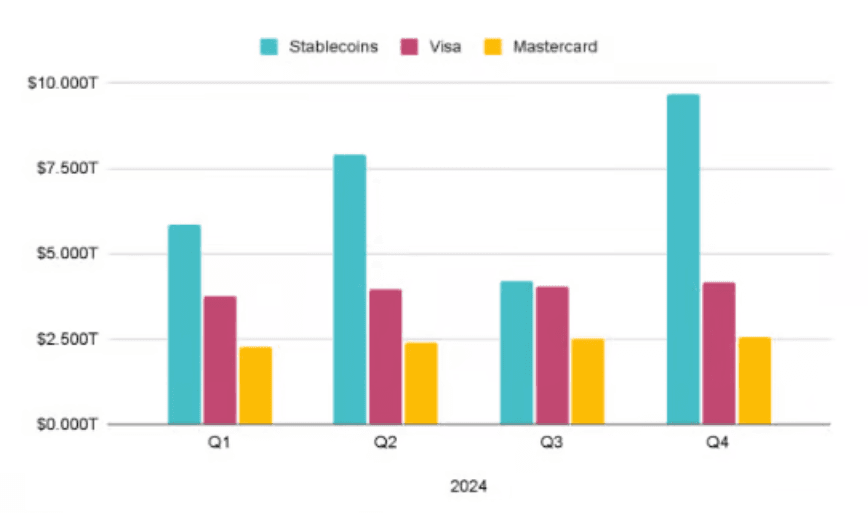
Stablecoin trends in 2026
The stablecoin market is undergoing a structural shift in 2026, moving from a speculative trading rail to a foundational layer for enterprise treasury and cross-border payments. Clearer regulatory frameworks have transformed stablecoins from niche crypto assets into enterprise-ready infrastructure. According to Thunes, this regulatory clarity is the primary driver enabling businesses to integrate stablecoins into mainstream financial operations with reduced compliance risk. This transition mirrors the maturation of the internet itself; as Silicon Valley Bank noted, stablecoins are increasingly viewed as "the internet's dollar," offering a neutral, programmable settlement layer that bypasses traditional correspondent banking delays.
The utility of stablecoins is expanding beyond simple peer-to-peer transfers. A16zcrypto highlights a trend toward "origination, not just tokenization," where digital dollars are created specifically for on-chain commerce and real-world asset (RWA) settlement rather than merely representing off-chain reserves. This shift is supported by major payment processors; Stripe has integrated stablecoin rails to allow businesses to receive payments in USDC, while Thunes facilitates cross-border settlements using these assets. These official integrations signal a move toward practical, high-volume usage cases that prioritize speed and cost-efficiency over volatility trading.
Yield-bearing stablecoins are also gaining traction as institutions seek to optimize idle treasury capital. While traditional money market funds offer modest returns, tokenized versions of these assets allow for 24/7 liquidity and programmable yield distribution. This development is critical for corporate treasurers who need to maintain operational liquidity while generating returns on cash reserves. The combination of regulatory safety, enterprise-grade infrastructure, and yield potential positions stablecoins as a core component of modern financial strategy.
| Feature | Traditional Wire | Stablecoin Settlement |
|---|---|---|
| Availability | Business Hours Only | 24/7/365 |
| Settlement Time | 1-3 Business Days | Minutes |
| Cross-Border Cost | High (Intermediary Fees) | Low (Network Fees) |
| Programmability | None | Smart Contract Enabled |
For enterprises evaluating this shift, the focus is on selecting stablecoins that meet strict regulatory standards and offer robust DeFi integration. The top contenders in 2026—USDC, PYUSD, and others—are distinguished by their compliance posture and partnership networks rather than speculative hype.
5 Stablecoins for 2026: Yield, Regulation, and DeFi Integration
As regulatory frameworks solidify for 2026, selecting stablecoins requires prioritizing compliance and risk mitigation over speculative yield. This analysis evaluates USDC, PYUSD, and other primary issuers based on official disclosures from sources like a16zcrypto, Stripe, and Thunes, ensuring a focus on regulatory adherence and DeFi integration rather than unverified market metrics.
1. USDC: Regulatory Clarity and Circle Compliance
USDC stands as the institutional benchmark for compliance, backed by Circle’s rigorous adherence to New York Department of Financial Services regulations. Its reserve structure, held in cash and short-term U.S. Treasury obligations, offers unparalleled transparency through monthly attestations. This regulatory clarity makes it the preferred choice for enterprises prioritizing legal safety and operational stability in a high-stakes financial landscape.

2. PYUSD: Stripe Integration and Paxos Backing
Paxos Standard’s PYUSD leverages Stripe’s massive merchant network to drive real-world utility, bridging traditional e-commerce with blockchain efficiency. Backed 1:1 by U.S. dollars and short-term Treasuries, it maintains strict regulatory compliance while offering seamless integration for global payments. This partnership reduces friction for merchants, making PYUSD a pragmatic tool for businesses seeking regulated, high-volume stablecoin transactions.

3. DAI: Decentralized Governance and MakerDAO Transparency
DAI operates through a decentralized protocol governed by MakerDAO, offering resilience against single-point regulatory failures. Its overcollateralized model, supported by diverse crypto assets and real-world assets, ensures stability without central corporate control. Regular transparency reports and on-chain governance votes provide users with direct insight into risk parameters, making DAI a robust choice for those prioritizing decentralization and protocol-level accountability.

4. GUSD: Gemini Reserve Audits and Regulatory Status
Gemini Dollar (GUSD) is issued by Gemini Trust Company, a New York-chartered custodian known for its strict regulatory compliance and frequent third-party audits. Its reserve transparency and adherence to federal banking standards provide a secure foundation for institutional users. GUSD’s focus on regulatory alignment and operational integrity makes it a trusted option for entities requiring verified, audited stablecoin reserves for their financial operations.

5. FDUSD: Coinbase Operational Security and Liquidity
First Digital USD (FDUSD) benefits from Coinbase’s deep liquidity pools and robust operational security infrastructure, facilitating efficient trading and settlement. Its integration with major exchanges ensures high availability and low slippage for large transactions. While regulatory nuances vary, FDUSD’s association with Coinbase’s compliance framework offers a reliable option for traders and institutions seeking liquidity and security in the stablecoin market.

Regulation shapes 2026 stablecoin choices
Regulatory compliance is no longer just a legal requirement; it is the primary filter for selecting stablecoins in 2026. As frameworks like the EU’s MiCA and proposed US stablecoin acts take shape, they separate institutional-grade assets from speculative tokens. This shift reduces counterparty risk by ensuring issuers maintain transparent reserves and adhere to strict reporting standards.
USDC and PayPal USD (PYUSD) are leading examples of issuers aligning with these evolving regulations. Their design prioritizes enterprise readiness and regulatory clarity, making them safer for global payments and treasury operations. Thunes and other payment infrastructure providers now favor these compliant assets for cross-border settlements, signaling that regulatory adherence drives adoption more than yield alone.
When choosing a stablecoin, look for issuers that disclose their reserve composition and comply with major jurisdictions. This diligence protects your capital from the volatility and uncertainty that affects non-compliant tokens. In 2026, regulatory clarity is the strongest guarantee of stability.


As an Amazon Associate, we may earn from qualifying purchases.
How Stablecoins Generate Yield Through RWA Tokenization
The yield mechanisms behind stablecoins like USDC and PYUSD differ fundamentally from traditional savings accounts or high-risk DeFi lending. Instead of relying on volatile crypto collateral, these assets generate returns by tokenizing Real World Assets (RWA), such as U.S. Treasury bills or commercial paper. This structure allows issuers to pass interest income from conservative, regulated financial instruments directly to stablecoin holders.
This approach shifts the risk profile significantly. As noted in industry analysis, stablecoins are evolving into "narrow banks" that hold specific, liquid assets considered extra-safe, rather than engaging in complex lending protocols. This compliance-focused model aligns with the 2026 trend toward "origination, not just tokenization," where clear credit infrastructure supports the underlying assets. By anchoring yield to real-world debt rather than crypto market speculation, providers offer a more predictable income stream for users seeking exposure to digital dollars.


As an Amazon Associate, we may earn from qualifying purchases.
FAQ: Stablecoin Questions for 2026


As an Amazon Associate, we may earn from qualifying purchases.

No comments yet. Be the first to share your thoughts!