
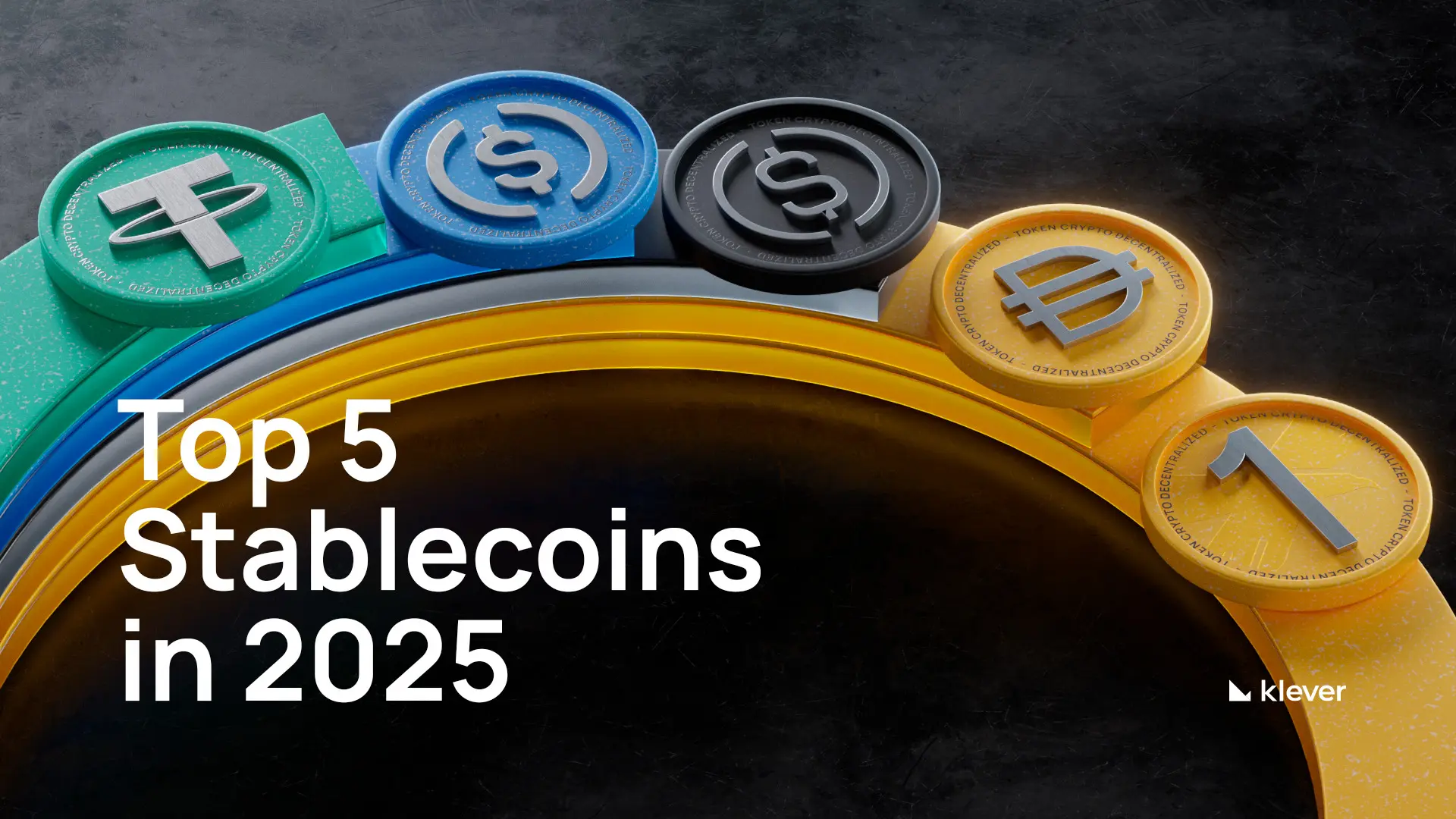
5 Stablecoins of 2026: Yield, Regulation, and Real-World Asset Integration
Navigating the 2026 stablecoin landscape requires prioritizing regulatory compliance and reserve transparency over speculative yield. This analysis evaluates USDT, USDC, PYUSD, and USDe based on verifiable attestations and real-world asset integration mechanics. The following selection reflects structural integrity suitable for high-stakes financial deployment.
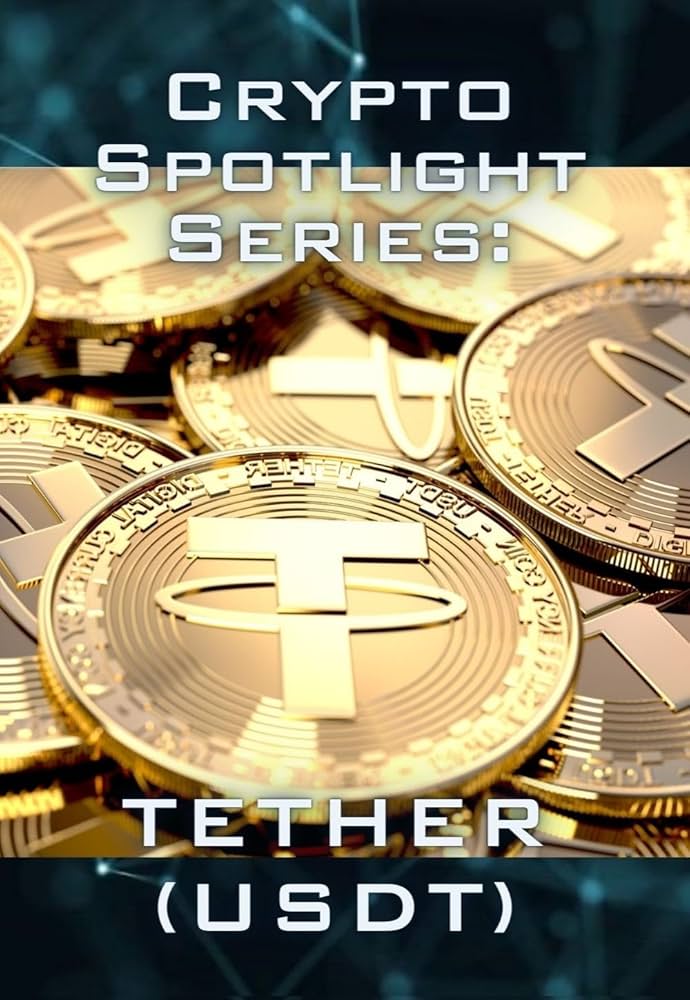
1. Tether (USDT): Liquidity and Reserve Transparency
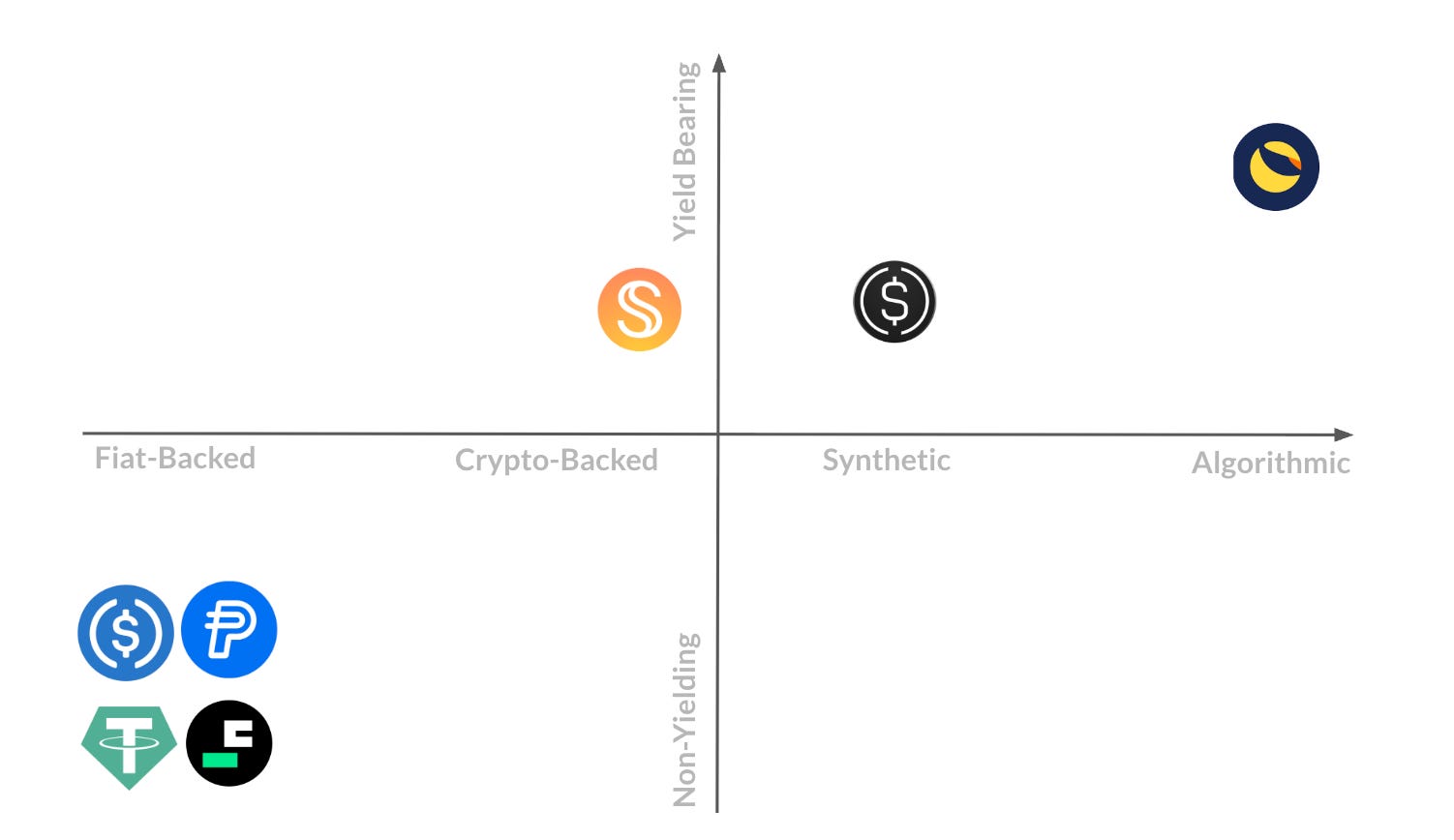
Tether maintains its position as the dominant trading pair across global exchanges, offering unparalleled liquidity for high-frequency operations. Its reserve composition, heavily weighted toward short-term U.S. Treasuries and cash equivalents, provides a baseline of stability. While regulatory scrutiny remains intense, Tether’s consistent monthly attestations offer a transparent view of its backing, making it the default choice for traders prioritizing immediate market access and deep order books over niche yield opportunities.
2. USD Coin (USDC): Regulatory Compliance and Audits
USD Coin distinguishes itself through rigorous adherence to U.S. financial regulations, backed by Circle’s transparent monthly attestations from independent accounting firms. Its reserves are held entirely in cash and short-duration U.S. Treasuries, ensuring a conservative and highly regulated structure. This commitment to compliance makes USDC the preferred stablecoin for institutional investors and enterprise integrations that require strict KYC/AML standards and predictable regulatory outcomes, minimizing counterparty risk.
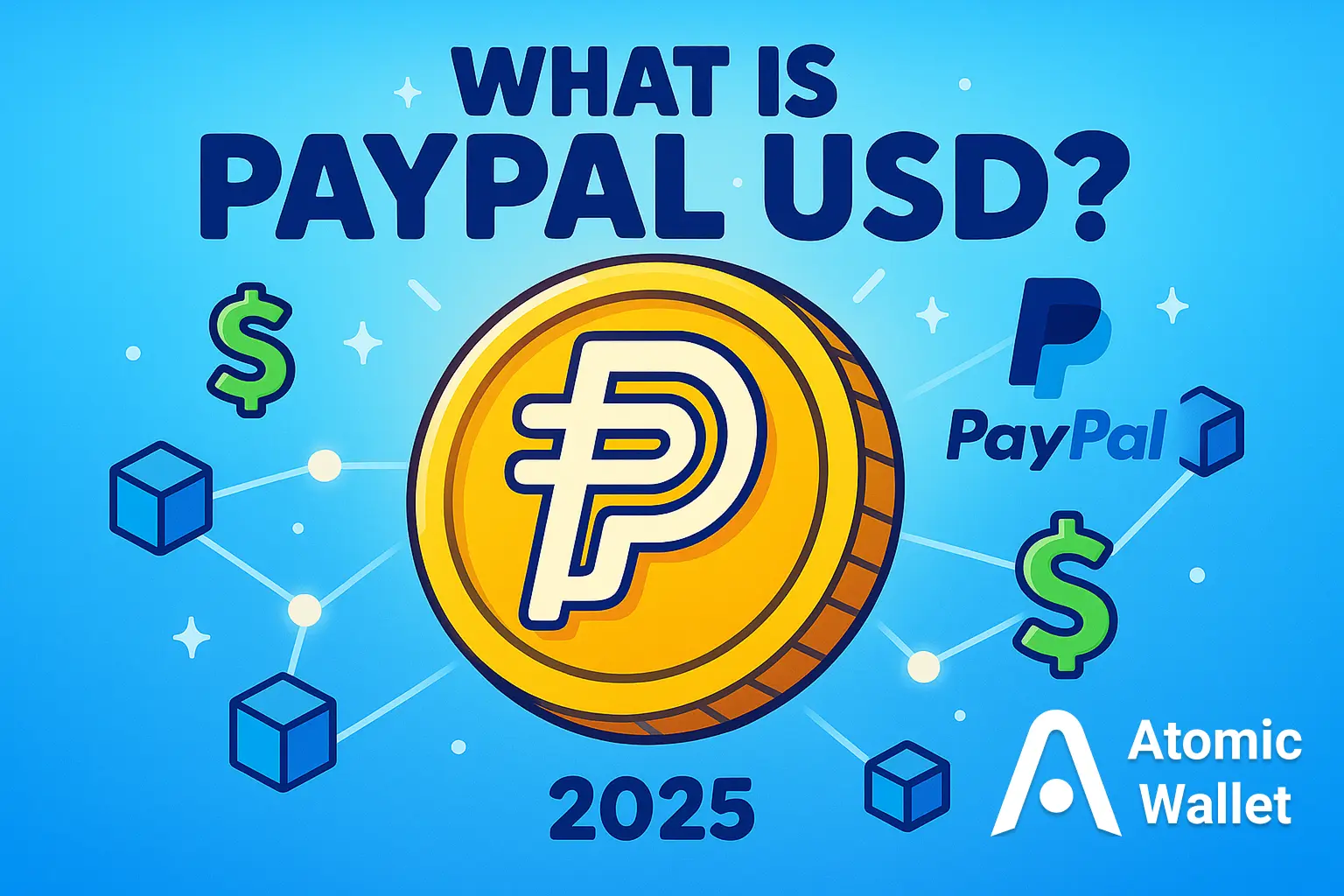
3. PayPal USD (PYUSD): Fintech Integration and Issuance
PayPal USD leverages the massive existing user base of PayPal and Venmo to facilitate seamless fiat-to-crypto on-ramps. Issued by Paxos Trust Company under New York State charter, PYUSD offers a familiar interface for mainstream consumers entering the digital asset space. Its primary value lies in frictionless integration with e-commerce and payment networks, allowing users to convert between dollars and stablecoins without leaving the PayPal ecosystem, thereby bridging traditional finance and crypto utility.
- Fintech integration strategies
- Paxos regulatory framework
4. Ethena USDe: Synthetic Yield and Delta-Neutral Structure
Ethena’s USDe introduces a novel approach by combining spot Ethereum holdings with short futures positions to create a delta-neutral synthetic dollar. This structure generates yield from funding rates rather than traditional interest-bearing reserves, offering higher potential returns for yield-seeking investors. However, this mechanism introduces smart contract and basis risk, requiring users to understand the complex interplay between spot and derivatives markets. It represents a sophisticated instrument for those comfortable with non-traditional backing structures.
5. Binance USD (BUSD): Legacy Compliance and Market Share
Although Binance has ceased the minting of new BUSD tokens, existing holdings remain fully backed and redeemable at par, maintaining its role as a legacy compliant asset. BUSD was issued by Paxos in collaboration with Binance, adhering to strict New York Department of Financial Services regulations. For users holding BUSD, the focus is now on redemption or conversion, as its historical market share reflects a period where regulatory clarity drove adoption in centralized exchanges, serving as a benchmark for compliant stablecoin issuance.
How we chose the best stablecoins
Selecting the right stablecoin for 2026 requires moving beyond simple market capitalization. With regulatory scrutiny intensifying across global jurisdictions, the primary criteria for this selection are structural integrity, reserve transparency, and clear regulatory compliance. We evaluated each asset based on its ability to maintain a stable peg through verifiable backing rather than speculative mechanisms.
Our analysis focused on four core pillars:
- Regulatory Compliance: We verified each stablecoin’s adherence to current financial regulations, favoring issuers like Circle (USDC) and PayPal (PYUSD) that operate within established legal frameworks. Tether (USDT) was assessed for its historical reserve composition and recent compliance efforts.
- Reserve Transparency: We examined the quality of backing assets. Preference was given to stablecoins backed by short-term U.S. Treasuries and cash equivalents, with regular third-party attestations confirming the 1:1 reserve ratio.
- Yield Mechanisms: For assets offering yield, such as USDe, we analyzed the source of returns. We distinguished between native yield from underlying assets and promotional incentives, focusing on sustainable, long-term viability.
- Real-World Asset Integration: We considered how each stablecoin integrates with traditional finance. Assets with clear pathways for institutional adoption and integration with regulated payment rails were rated higher.
This rigorous filtering process ensures that the recommended stablecoins not only offer stability but also align with the compliance and security standards required for high-stakes financial decisions in 2026.
Yield, Regulation, and Reserve Safety
Choosing a stablecoin requires balancing yield potential against regulatory clarity and reserve quality. The four selected assets—USDT, USDC, PYUSD, and USDe—offer distinct structural profiles for different risk tolerances.
Tether (USDT) remains the most liquid option but operates with less regulatory transparency than its peers. USDC and PYUSD are issued by US-regulated entities, offering clearer legal standing and regular attestation reports. Ethena’s USDe generates yield through delta-neutral strategies, introducing counterparty risks not present in traditional dollar-backed coins.
The table below summarizes the core differences in yield mechanics, regulatory jurisdiction, and primary use cases for each asset.
| Stablecoin | Yield Source | Regulatory Status | Primary Use |
|---|---|---|---|
| USDT | None (Standard) | Offshore / Unregulated | High-volume trading & liquidity |
| USDC | None (Standard) | US Regulated (Circle) | Compliance & enterprise payments |
| PYUSD | None (Standard) | US Regulated (PayPal) | Retail payments & savings |
| USDe | Delta-neutral staking | Decentralized / Unregulated | Yield generation & DeFi |


As an Amazon Associate, we may earn from qualifying purchases.
For users prioritizing regulatory safety, USDC and PYUSD offer the strongest protections. Those seeking yield must carefully evaluate the complex mechanics behind USDe’s returns.
No comments yet. Be the first to share your thoughts!