
5 Best Stablecoins 2026: Compliance and Yield Analysis
This analysis evaluates five primary stablecoin assets against official source data, prioritizing legal clarity and regulatory compliance over speculative returns.
1. USDC Circle compliance framework
Circle’s USDC operates under a rigorous regulatory architecture, prioritizing full transparency and adherence to evolving financial compliance standards. This stablecoin serves as a benchmark for institutional-grade digital assets, offering users a secure vehicle for value storage backed by transparent reserve attestations. Its structured approach to regulatory engagement makes it a preferred choice for entities requiring strict legal oversight and clear audit trails in 2026.
2. USDT Tether reserve transparency
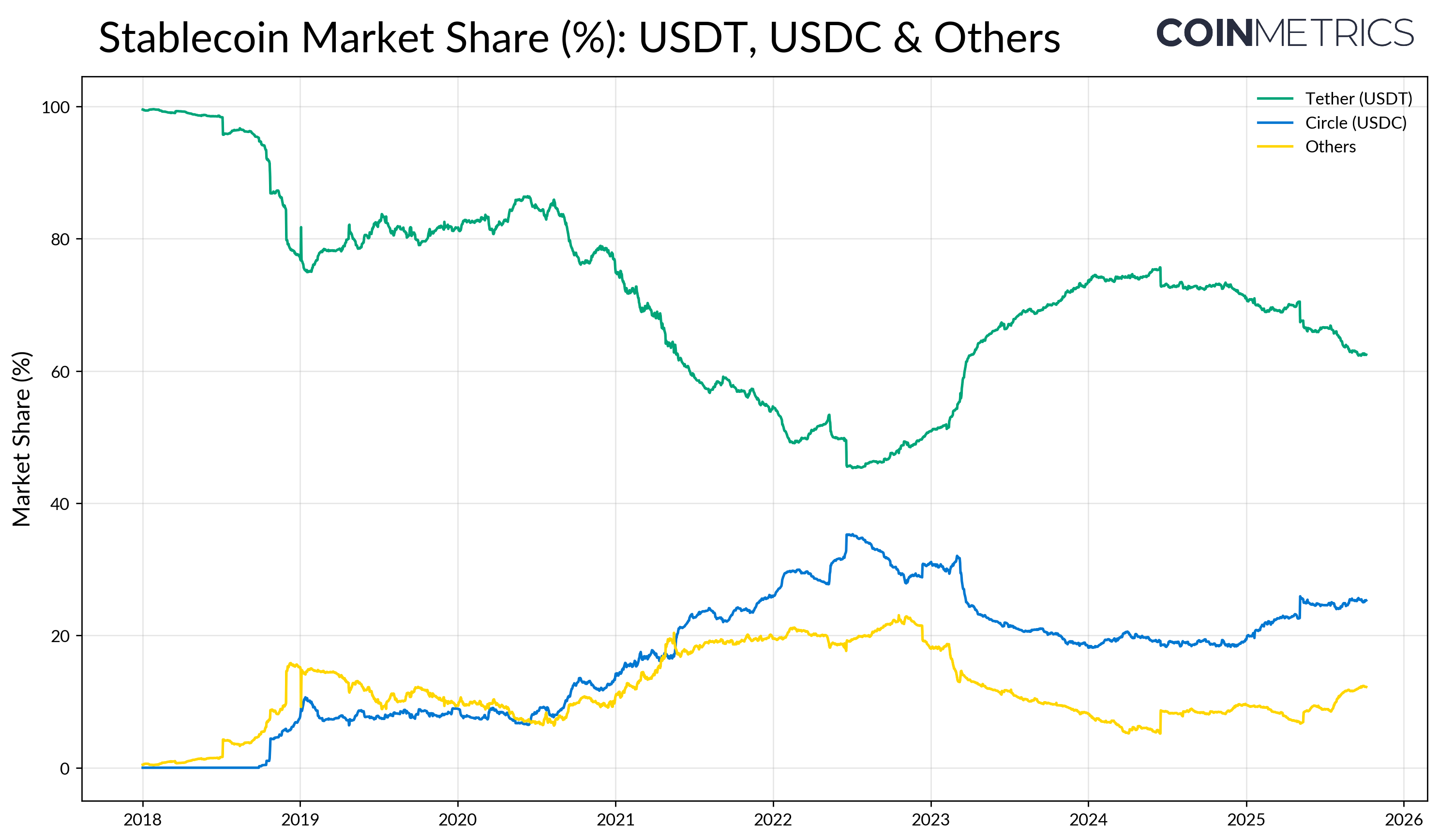
Tether’s USDT remains the dominant stablecoin by volume, with its 2026 strategy focusing on enhanced reserve transparency to mitigate counterparty risks. Regular attestation reports detail the composition of reserves, aiming to reassure regulators and market participants about the asset’s backing. This commitment to visibility is critical for maintaining liquidity and stability in global cryptocurrency markets amid increasing scrutiny.
3. PYUSD Paxos regulatory status
PayPal’s PYUSD, issued by Paxos Trust Company, leverages a clear regulatory status to integrate seamlessly into mainstream financial ecosystems. Backed by US dollars and short-term US Treasuries, PYUSD offers a compliant pathway for PayPal users to transact in digital currency. Its structured regulatory framework ensures adherence to New York State Department of Financial Services standards, providing a secure option for everyday commerce.
4. GUSD Gemini custodial security
Gemini Dollar (GUSD) emphasizes robust custodial security, managed by the regulated Gemini Trust Company. This stablecoin is fully backed by US dollars held in insured, interest-bearing accounts, ensuring strict compliance with financial regulations. GUSD’s focus on security and regulatory clarity makes it a reliable tool for users prioritizing asset protection and institutional-grade custody solutions in the digital asset space.

5. FDUSD First Digital audit reports
First Digital USD (FDUSD) distinguishes itself through comprehensive audit reports that verify its reserve backing and operational integrity. These regular audits provide transparency into the asset’s financial health, addressing critical compliance concerns for institutional and retail users. By prioritizing verifiable proof of reserves, FDUSD aims to build trust and stability within the competitive stablecoin landscape of 2026.
Choosing regulated stablecoins in 2026
The landscape for stablecoins has shifted from speculative experimentation to strict regulatory compliance. In 2026, market capitalization alone no longer guarantees safety or utility. The primary filter for selection is now the issuer’s adherence to reserve transparency and jurisdictional legality. Projects that cannot produce verifiable, real-time attestations of their backing assets face immediate exclusion from institutional and enterprise use cases.
Compliance is no longer a secondary feature; it is the foundation of trust. Regulators worldwide are enforcing stricter standards on fiat-backed tokens, requiring issuers to maintain segregated reserves and undergo regular audits by independent third parties. This environment favors established players like Tether (USDT) and USD Coin (USDC), which have built extensive compliance frameworks to manage the complex legal terrain of global finance. Their dominance is not just a result of network effects but of their ability to operate within the bounds of evolving financial regulations.
For users and businesses, the risk of holding non-compliant stablecoins has become too high. A sudden regulatory crackdown or a reserve shortfall can lead to immediate delisting and loss of liquidity. Therefore, selecting a stablecoin requires a due diligence process that prioritizes legal structure and reserve proof over yield potential. The focus must remain on assets that offer true stability through rigorous oversight, ensuring that the peg remains intact regardless of market volatility.


As an Amazon Associate, we may earn from qualifying purchases.
How reserves are structured and audited
Stablecoin issuers hold different types of reserves to maintain the peg. The legal structure of these assets determines the risk profile for holders. Cash-backed reserves hold US dollars in regulated bank accounts. Treasury-backed reserves hold short-term US government bonds. Diversified reserves mix these assets with commercial paper or other instruments. The difference matters for liquidity and legal recourse during market stress.
Audit frequency is a primary risk mitigation tool. Regular attestations verify that the issuer holds sufficient assets to cover circulating tokens. Without consistent verification, the claim of "fully backed" is unproven. Regulators are increasing scrutiny on reserve composition and reporting standards. Issuers that publish detailed, frequent reports face lower regulatory risk. Investors should compare the reserve reports of top stablecoins. USDT, USDC, and DAI have distinct reserve structures. USDC emphasizes cash and treasuries. USDT has faced historical questions about commercial paper exposure. DAI uses a decentralized mix of crypto and real-world assets. Understanding these differences is essential for compliance and safety.


As an Amazon Associate, we may earn from qualifying purchases.
Yield strategies for stablecoin holders
Generating yield on stablecoins in 2026 requires managing a bifurcated market. On one side are regulated money market funds and compliant lending protocols offering low-risk, transparent returns. On the other are higher-yield DeFi strategies that carry significant smart contract and liquidity risks. Understanding this distinction is essential for capital preservation.
Low-risk options typically involve holding USDC or PYUSD in insured custodial accounts or regulated lending platforms. These vehicles often mirror traditional Treasury yields but require strict KYC/AML compliance. Higher-yield strategies, such as providing liquidity on decentralized exchanges, offer potential returns of 5-10% but expose holders to impermanent loss and protocol failure. Regulatory scrutiny on non-compliant yield generators is intensifying, making transparency a primary safety factor.
Security remains the foundational layer of any yield strategy. Hardware wallets are essential for storing stablecoin holdings when not actively deployed in lending or liquidity pools. Secure storage prevents unauthorized access and ensures that yield-generating activities do not compromise the principal capital.


As an Amazon Associate, we may earn from qualifying purchases.

No comments yet. Be the first to share your thoughts!