
Check the GENIUS Act reserve rules
The GENIUS Act, enacted on July 18, 2025, established the federal regulatory framework for payment stablecoins in the United States. For issuers of USDT and USDC, compliance with this law is no longer optional; it is the baseline requirement for operating in the U.S. market.
The law directs the Treasury Department to issue regulations that enforce strict reserve standards. Specifically, permitted payment stablecoin issuers must maintain reserves backing outstanding stablecoins on at least a one-to-one basis. These reserves cannot include speculative assets or illiquid holdings; they are limited to specified high-quality assets such as U.S. dollars, Federal Reserve notes, and funds held at regulated institutions.
To navigate these rules effectively, you must verify that your reserve composition aligns with the Treasury's proposed rulemaking. The Office of the Comptroller of the Currency (OCC) and the Treasury Department are actively finalizing the technical details of this framework. Issuers must ensure their accounting and custody practices allow for real-time verification of these 1:1 backing requirements.
Failure to maintain these reserves results in immediate regulatory action. The GENIUS Act provides a clear structure for oversight, meaning that stablecoin issuers must prepare their internal compliance systems to demonstrate full backing at all times. This shift moves stablecoins from crypto-native experimentation into core financial infrastructure, where transparency and liquidity are non-negotiable.
Verify issuer licensing status
Before integrating USDT or USDC into your operations, confirm the issuer’s regulatory standing. The GENIUS Act (Guiding and Establishing National Innovation for US Stablecoins Act) establishes a clear federal framework, but state-level options remain for smaller issuers. Misidentifying the applicable pathway can expose your business to compliance risks.
Check the Federal Register
The primary source for federal compliance is the Federal Register. The Office of the Comptroller of the Currency (OCC) publishes proposed and final rules under the GENIUS Act. Look for documents titled "Implementing the Guiding and Establishing National Innovation for US Stablecoins Act."
If the issuer is listed as a "permitted payment stablecoin issuer" in these federal documents, they are authorized to operate across all US jurisdictions. This status supersedes state-level restrictions. Always verify the document date; rules evolve rapidly in 2026.
Evaluate State-Level Pathways
For non-bank issuers with less than $10 billion in outstanding stablecoins, the Act allows state-level regulatory oversight. The Kentucky Lottery Corporation and other state regulators may issue licenses under specific "sandbox" or tracking frameworks.
Check the issuer’s website for a "Regulatory Status" or "Compliance" page. They should explicitly state whether they hold a federal charter or a state license. If the issuer does not disclose this, treat them as unlicensed. Do not rely on third-party crypto exchanges’ verification alone; they may lag behind regulatory updates.
Comparison of Regulatory Pathways
Use this table to quickly distinguish between federal and state oversight based on the issuer's scale.
| Regulatory Pathway | Outstanding Supply | Primary Authority | Operational Scope |
|---|---|---|---|
| Federal (Permitted Issuer) | No specific cap | OCC / Federal Reserve | Nationwide |
| State Sandbox/License | < $10 billion | State Regulators | State-specific |
| Unlicensed | Any | None | Prohibited |
Final Verification Step
Cross-reference the issuer’s name with the OCC’s list of permitted institutions. If the issuer is not on the list and exceeds $10 billion in supply, they are likely operating in violation of federal law. For issuers under the threshold, verify their state license number with the respective state regulator’s database. This two-step check ensures you are interacting with a compliant entity.
Audit reserve composition and transparency
To verify that USDT or USDC reserves meet the GENIUS Act’s eligibility criteria, you must move beyond the summary table in a quarterly report and inspect the underlying asset classes. The law requires a one-to-one backing, but it strictly limits what can serve as that backing. You are looking for high-quality, liquid assets that can be converted to cash instantly without loss.
Step 1: Verify cash and Treasury holdings
The primary reserve asset for compliant stablecoins is short-term U.S. Treasury securities and cash deposits at regulated institutions. Under the GENIUS Act framework, issuers are generally restricted to holding reserve assets that consist of U.S. dollars, federal reserve notes, or funds held at insured or regulated depository institutions [src-serp-4].
When reviewing a reserve attestation, check the percentage of assets held in these specific categories. If you see significant allocations to commercial paper, corporate bonds, or private credit funds, the reserve composition may not meet the strict liquidity standards expected under current regulatory proposals [src-serp-2]. The goal is to ensure that every token in circulation is backed by an asset that is as good as cash.
Step 2: Check for independent attestation
A self-reported balance sheet is insufficient for regulatory compliance. You must confirm that the reserve data has been reviewed by an independent, licensed public accounting firm. The GENIUS Act mandates regular attestation or audit reports to ensure the issuer’s records match the actual assets held in custody [src-serp-4].
Look for the most recent report date. If the last attestation is more than 90 days old, or if the firm issuing the report is not a major accounting practice, treat the reserve data with skepticism. The report should explicitly state whether the reserves are sufficient to cover all outstanding tokens. Any "qualified opinion" in the auditor's findings indicates potential discrepancies that require immediate attention [src-serp-2].
Step 3: Confirm asset segregation
Finally, ensure that the reserve assets are segregated from the issuer’s operational funds. The issuer’s business capital, marketing budgets, and employee salaries must not commingle with the stablecoin reserve pool. Proper segregation ensures that even if the issuing company faces financial distress, the stablecoin holders’ funds remain intact and accessible.
Review the custodial agreements mentioned in the report. The assets should be held at regulated financial institutions, not in the issuer’s own corporate accounts. This structural separation is a core requirement for maintaining trust and meeting the legal standards for payment stablecoins in 2026 [src-serp-2].
Compare USDC and USDT compliance paths
Under the 2026 regulatory framework established by the GENIUS Act, stablecoin issuers must maintain reserves backing outstanding tokens on at least a one-to-one basis. The law specifies that reserves may only consist of certain assets, including US dollars, Federal Reserve notes, and funds held at insured or regulated institutions [Genius Act 2025]. This shift forces major issuers to align their operational structures with strict federal oversight.
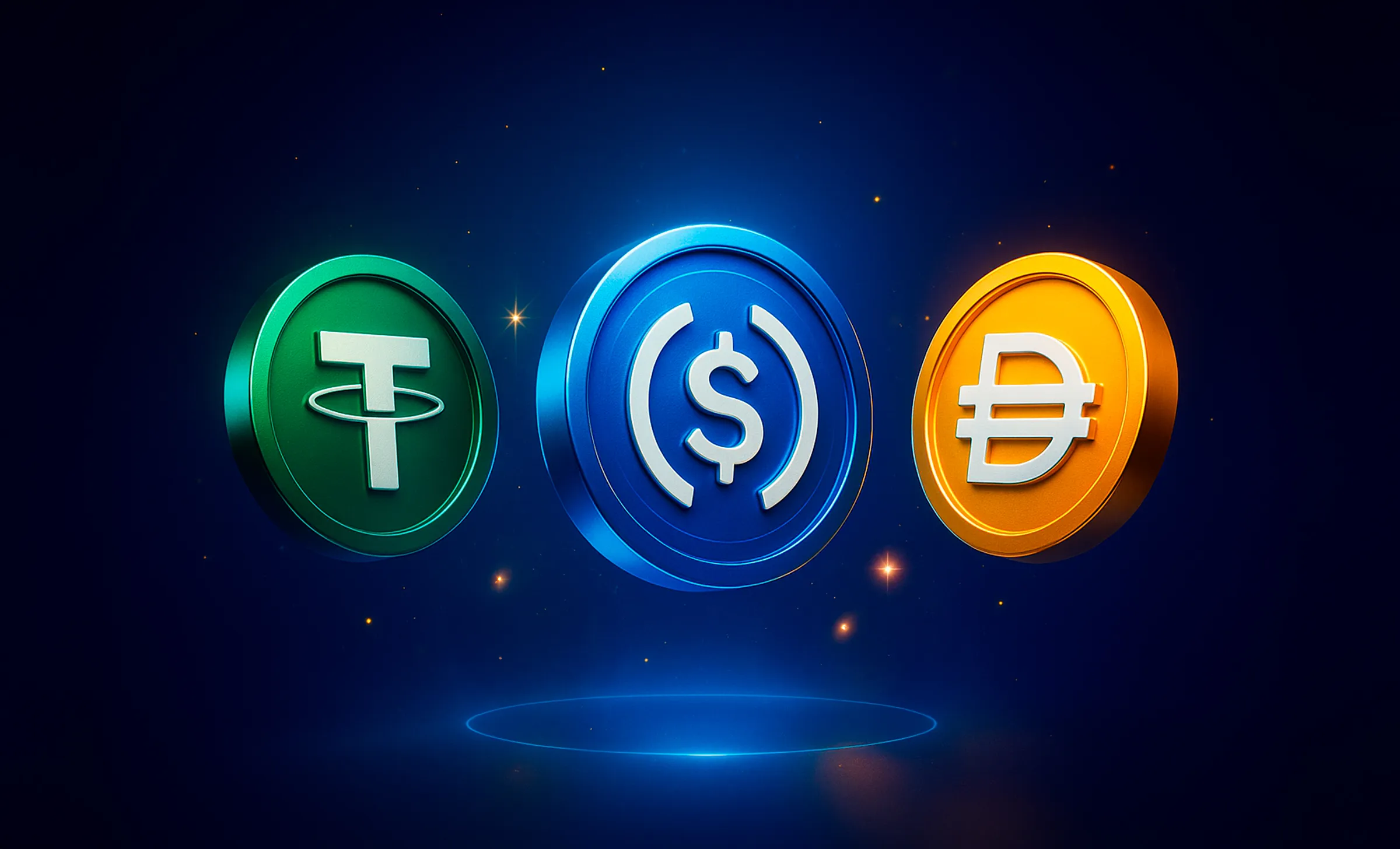
USDC (Circle) and USDT (Tether) have adopted different strategies to meet these requirements. USDC has integrated directly with regulated banking partners to hold reserves in short-term Treasuries and cash deposits at FDIC-insured banks. This approach prioritizes transparency, with monthly attestation reports and quarterly audits by independent accounting firms. USDT, while also holding significant cash and Treasury assets, has historically relied on a broader mix of commercial paper and other instruments, though it has recently increased its Treasury holdings to align with market expectations for safety.
The following table contrasts their current compliance postures under the new regime. Note that both issuers are subject to ongoing scrutiny regarding reserve composition and redemption capabilities.
| Feature | USDC (Circle) | USDT (Tether) |
|---|---|---|
| Reserve Assets | Cash, short-term Treasuries, commercial paper (limited) | Cash, short-term Treasuries, commercial paper, other assets |
| Regulatory Status | Licensed money transmitters in multiple states; NYDFS oversight | Unlicensed; faces ongoing legal settlements and compliance pressures |
| Audit Frequency | Quarterly attestations by independent firms | Monthly attestations by independent firms |
| Transparency Reports | Detailed monthly reports on reserve composition | Monthly attestation reports; less granular public data |
| Primary Market Focus | Institutional, regulated DeFi, and enterprise payments | Retail, crypto exchanges, and emerging market remittances |
Choosing between these paths depends on your risk tolerance. USDC offers a clearer regulatory moat, making it preferable for institutional capital and regulated entities. USDT provides deeper liquidity and wider adoption across decentralized platforms, but carries higher regulatory uncertainty. As the 2026 Stablecoin Momentum Report notes, stablecoins have crossed into core financial infrastructure, meaning compliance is no longer optional but a competitive differentiator.
Review global regulatory alignment
Stablecoin compliance is no longer a local exercise. The US GENIUS Act and the EU’s MiCA framework share core principles: strict reserve backing, licensing requirements, and consumer protection mandates. For USDT and USDC issuers, this convergence means designing compliance infrastructure that satisfies multiple jurisdictions simultaneously.
The UK is finalizing its own framework, aligning closely with US and EU standards. This global alignment reduces regulatory arbitrage but increases the complexity of cross-border operations. Issuers must ensure their reserve assets and reporting mechanisms meet the strictest standards across all active markets.
Global: EU MiCA and UK FCA rules are converging with US GENIUS Act principles on reserve backing.Understanding these overlapping rules is essential for maintaining market access. A failure to align with MiCA’s transparency requirements, for example, can impact USDC’s availability in European markets, regardless of US compliance. Cross-border compliance requires a unified approach to reserve auditing and legal structure.
Finalize your compliance checklist
Before deploying any stablecoin infrastructure, issuers and users must verify alignment with the GENIUS Act framework. The law restricts payment stablecoin issuance to permitted entities and mandates strict reserve backing. This checklist ensures you meet the 2026 regulatory baseline.
Verify Issuer Permits
Confirm that the issuing entity holds the necessary federal or state permissions. Under the GENIUS Act, only permitted payment stablecoin issuers may operate in the United States. Check the Federal Register for the latest permit lists and restrictions.
Audit Reserve Composition
Reserves must back outstanding stablecoins on a one-to-one basis. Permissible assets include U.S. dollars, Treasury bills, and funds held at regulated institutions. Review the OCC Bulletin for specific asset eligibility criteria and reserve audit requirements.
Confirm On-Chain Transparency
Ensure your stablecoin reserves are visible and verifiable. Regular attestations or audits should be published to maintain trust. This step is critical for users verifying the stability of USDT and USDC in the current market.
Frequently asked questions about stablecoin regulations 2026
Put Stablecoin Regulations into practice
No comments yet. Be the first to share your thoughts!