

Market volume and institutional entry
Stablecoin transaction volume is accelerating in 2026, driven by a structural shift from retail speculation to institutional infrastructure. Stablecoins are becoming a key bridge between fiat and decentralized systems, facilitating daily transaction volumes that are projected to reach $250 billion by 2028 [Stripe]. This growth reflects a broader adoption of digital assets as a standard for B2B payments and cross-border settlement.
The scale of this adoption is evident in the sustained high-frequency trading and settlement activity on-chain. The following chart illustrates the price stability and volume context of USDT/USD, a primary vehicle for these institutional flows.
Regulatory clarity has further encouraged this institutional entry. Financial institutions are increasingly integrating stablecoins into their treasury and payment operations, viewing them as a more efficient alternative to traditional correspondent banking. This transition is not merely speculative; it is a fundamental restructuring of how capital moves across jurisdictions.
USDC vs USDT market share dynamics
The 2026 stablecoin landscape is defined by a divergence in institutional preference between Circle’s USDC and Tether’s USDT. While USDT retains dominance in total circulating supply and retail trading volume, USDC has secured a stronger foothold in regulated financial infrastructure. This split reflects a broader market shift where compliance and reserve transparency are becoming primary drivers for enterprise adoption.
| Feature | USDC (Circle) | USDT (Tether) |
|---|---|---|
| Primary Issuer | Circle | Tether |
| Reserve Composition | Cash and short-term U.S. Treasuries | Mixed (T-bills, commercial paper, deposits) |
| Regulatory Posture | High (Monthly attestation reports, NYDFS oversight | Moderate (Historically opaque, recent audits) |
| Primary Use Case | Institutional payments, DeFi collateral, payroll | Retail trading, offshore exchange liquidity |
| Market Share (Est. 2026) | ~25% of total stablecoin cap | ~65% of total stablecoin cap |
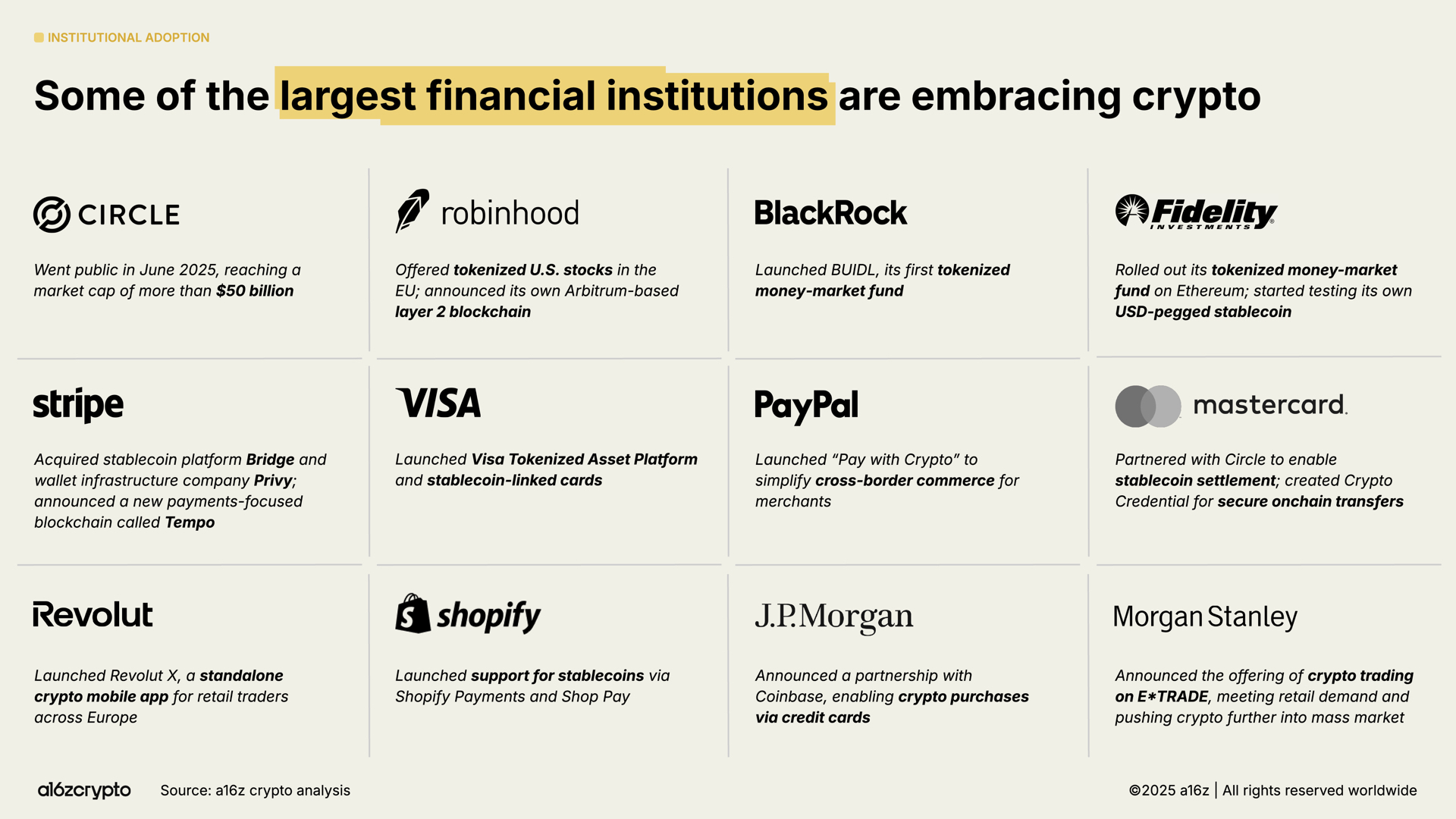
USDC’s appeal lies in its regulatory clarity. Circle publishes monthly attestation reports detailing reserve holdings, primarily consisting of cash and short-term U.S. Treasuries. This transparency aligns with the requirements of traditional financial institutions seeking to integrate stablecoins into treasury management and cross-border payment systems. The New York Department of Financial Services (NYDFS) oversight further solidifies its position as a compliant asset for regulated entities.
Conversely, USDT commands the majority of trading volume on global exchanges. Its liquidity is unmatched, making it the default quote currency for most crypto pairs. However, its reserve composition has historically included commercial paper and other instruments, raising compliance questions for conservative institutional investors. While Tether has improved its reporting standards, the lack of full regulatory oversight in its primary jurisdictions keeps it less attractive for formal banking integration.
The divergence in market share dynamics suggests a bifurcated future. USDT will likely remain the backbone of retail and speculative trading, while USDC continues to capture the growing segment of institutional capital seeking regulatory certainty. As compliance requirements tighten in 2026, this gap may widen, with USDC becoming the preferred vehicle for enterprise-grade stablecoin applications.
Regulatory frameworks shaping investment
The transition of stablecoins from speculative instruments to regulated financial infrastructure is the defining narrative of 2026. By establishing clear legal boundaries, jurisdictions have removed the primary barrier to institutional capital: uncertainty. This regulatory clarity has accelerated deployment, particularly in cross-border payments and treasury management, where compliance costs previously outweighed efficiency gains.
European Union: MiCA as the Global Standard
The Markets in Crypto-Assets (MiCA) regulation has fully entered its implementation phase in the EU, providing a comprehensive framework for stablecoin issuers. MiCA mandates strict reserve requirements, regular audits, and consumer protection measures for both asset-referenced tokens and e-money tokens. For institutional investors, this harmonized approach eliminates the need to navigate fragmented national laws, creating a single, predictable market.
The impact has been immediate. Major financial institutions have begun migrating operations to EU-based issuers to leverage MiCA’s legal certainty. This shift signals a broader trend: regulatory clarity is no longer just a compliance exercise but a competitive advantage for stablecoin providers seeking institutional liquidity.
United States: Legislative Progress and Market Impact
While the US has not yet passed comprehensive federal stablecoin legislation, the momentum toward clarity has intensified in 2026. Proposed bills, such as the Clarity for Payment Stablecoins Act, outline a federal licensing regime that would preempt conflicting state money transmitter laws. Although final passage remains pending, the mere prospect of federal oversight has influenced market behavior.
Institutional players are increasingly positioning themselves to comply with anticipated federal standards, viewing early alignment as a strategic hedge against regulatory risk. This proactive stance is evident in the growing number of US banks partnering with regulated stablecoin issuers, anticipating a unified legal landscape that facilitates seamless integration with traditional finance systems.
Global Convergence and Institutional Adoption
The convergence of regulatory approaches across major jurisdictions is reducing jurisdictional arbitrage and fostering a more stable global market. As frameworks like MiCA and potential US legislation set high standards for transparency and security, institutional investors are gaining the confidence to deploy significant capital into stablecoin infrastructure.
This regulatory maturity is directly correlated with adoption metrics. Daily transaction volumes are rising as businesses leverage stablecoins for efficient cross-border settlements, driven by the assurance that these digital assets operate within robust legal frameworks. The result is a market where innovation and regulation reinforce each other, accelerating the integration of stablecoins into the global financial system.
Real World Assets and Payment Rails
The integration of stablecoins with traditional payment infrastructure marks a structural shift in how capital moves. Institutional adoption is no longer driven primarily by speculative trading but by the operational utility of stablecoins as a settlement layer for real-world assets and cross-border commerce. This convergence relies on established payment processors to bridge the gap between blockchain ledgers and fiat-denominated business operations.
Stripe’s 2026 analysis highlights that stablecoin designs are evolving to meet enterprise requirements for speed, transparency, and control. By embedding stablecoin capabilities directly into existing payment rails, businesses can reduce settlement times from days to seconds while maintaining regulatory compliance. This utility drives adoption more effectively than price appreciation, as firms prioritize lower transaction fees and predictable liquidity over volatile asset performance.
Market data supports this transition. Daily stablecoin transaction volume is projected to reach $250 billion by 2028, reflecting a steady migration of payment flows onto blockchain networks. Users cite lower fees (30%), enhanced security (28%), and global access (27%) as the primary drivers for adopting stablecoin payments, according to BVNK’s 2026 utility report. These metrics indicate that stablecoins are becoming a standard, rather than experimental, component of global payment infrastructure.
The following widget demonstrates live market activity for USDT, the dominant stablecoin in these payment corridors. Its price stability and high liquidity make it the preferred instrument for RWA settlements and cross-border payments.

No comments yet. Be the first to share your thoughts!