Why regulation defines the best stablecoins 2026
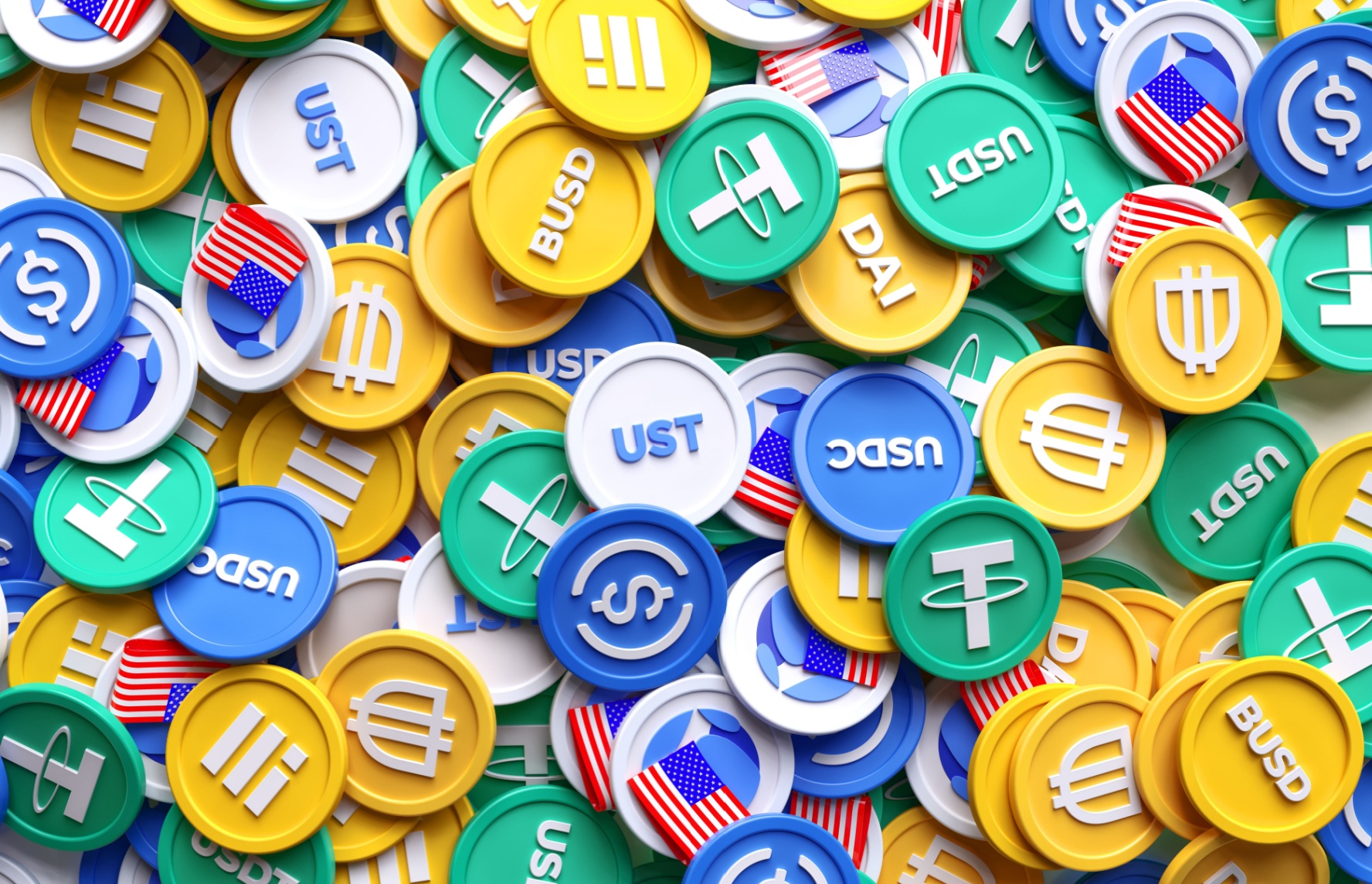
The stablecoin market has shifted from a speculative frontier to a regulated financial infrastructure. In 2026, institutional adoption is no longer driven by yield farming or unverified promises; it is anchored by strict compliance and legal clarity. For enterprises and large-scale investors, the primary requirement is not just price stability, but regulatory adherence. This shift has elevated assets like USDC and EURC, which prioritize transparency and adherence to financial laws, over those that rely on opacity.
Tether (USDT) remains the largest stablecoin by circulating supply, with approximately $58 billion on Ethereum mainnet as of April 2026. USDC follows as the second-largest at roughly $38 billion. Together, they account for over 85% of the stablecoin supply on Ethereum. However, size alone does not guarantee institutional safety. The distinction between these assets lies in their regulatory frameworks. USDC is issued by Circle, a company heavily engaged with US regulators, while Tether operates under a different compliance model. For 2026, the "best" stablecoin is defined by how well it navigates these legal landscapes, ensuring that funds are not subject to sudden regulatory freezes or legal challenges.
This regulatory focus extends beyond the US dollar. EURC, the Euro-pegged stablecoin, has gained traction among European institutions seeking to reduce reliance on US-centric financial systems. Its value proposition is tied to its compliance with European banking regulations, offering a regulated alternative for cross-border euro settlements. As the market matures, the gap between regulated and unregulated stablecoins will widen, making compliance the most critical factor in selecting a digital asset for 2026.
5 Regulated Stablecoins for 2026: USDC, USDT, and EURC Ranked
In 2026, regulatory scrutiny has transformed stablecoin selection from a yield-chasing exercise into a compliance imperative. This ranking prioritizes institutional trust and legal clarity, evaluating USDC, USDT, and EURC against official issuer disclosures and major exchange data.
1. USDC Circle's USDC Reserve Transparency
Circle’s USDC stands out for its rigorous monthly attestation reports, offering institutional-grade visibility into reserve composition. This transparency aligns with strict regulatory expectations, ensuring reserves are held in cash and short-term U.S. Treasuries. The visual identity reflects a commitment to clarity and trust, crucial for high-stakes financial operations.

2. Tether USDT Regulatory Compliance Updates
Tether has significantly bolstered its compliance framework, addressing past scrutiny through enhanced legal structures and reserve disclosures. While controversies persist, recent updates aim to align with global regulatory standards, making it a staple for high-volume trading. Understanding these shifts is vital for navigating the complex landscape of major stablecoins in 2026.
3. EURC Euro-Backed Stability Mechanisms
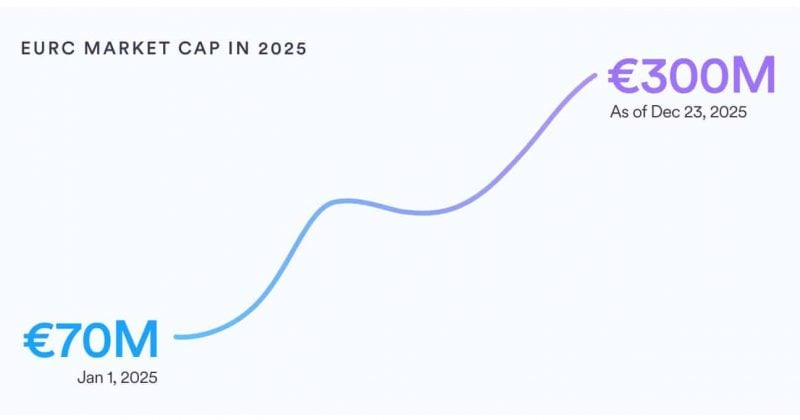
EURC provides a regulated alternative for Euro-denominated transactions, pegging value directly to EUR reserves under strict oversight. This stability is essential for European businesses and investors seeking to mitigate currency volatility without exiting the crypto ecosystem. Its structured backing offers a secure bridge between traditional finance and digital assets.
4. BUSD Binance USD Phase Out Status
BUSD is being phased out as Binance transitions away from its regulated stablecoin due to regulatory pressures. This decline marks a significant shift in the market, pushing users toward more compliant alternatives like USDC or USDT. Tracking this exit is crucial for understanding the evolving regulatory landscape and avoiding stranded assets.

5. GUSD Gemini Dollar Institutional Custody
Gemini Dollar (GUSD) emphasizes institutional custody and regulatory compliance, backed by New York State chartered banking institutions. This structure appeals to enterprises requiring robust security and legal clarity, distinguishing it from less regulated competitors. Its focus on compliance makes it a preferred choice for institutional stablecoin holders.
USDC vs Tether: The compliance divide
USDC and Tether represent the two dominant poles of the stablecoin market. As of April 2026, Tether holds the largest circulating supply on Ethereum at approximately $58 billion, while USDC sits in second place at roughly $38 billion. Together, they account for over 85% of stablecoin supply on the Ethereum mainnet. This dominance creates a fundamental choice for users: prioritize the liquidity and network effects of Tether, or demand the regulatory transparency and institutional trust offered by USDC.
Tether operates as the global liquidity king. Its primary advantage is ubiquity; it is supported by virtually every centralized exchange and DeFi protocol. However, this market leadership comes with a history of regulatory scrutiny. Tether has faced significant legal challenges regarding the composition of its reserves, leading to multi-million dollar settlements with the New York Attorney General and the Commodity Futures Trading Commission. While Tether has recently improved its compliance posture and publishes monthly attestations, it remains a private entity with less stringent public disclosure requirements than USDC.
USDC, issued by Circle, is positioned as the institutional and regulatory favorite. It maintains a fully reserve-backed model, with holdings primarily in short-term U.S. Treasuries and cash deposits. Circle is subject to regular attestation by independent accounting firms and operates under strict compliance frameworks, including the Financial Action Task Force (FATF) recommendations. This structure makes USDC the preferred choice for regulated entities, such as banks and payment processors, who require clear audit trails and adherence to U.S. financial laws.
The decision between the two often hinges on your risk tolerance and use case. For high-frequency trading or accessing the deepest liquidity pools, Tether’s market dominance is hard to ignore. For long-term holding, institutional transfers, or integration into regulated financial products, USDC’s compliance-first approach offers a safer legal foundation. The table below summarizes the key operational differences.
| Feature | USDC (Circle) | USDT (Tether) |
|---|---|---|
| Regulatory Status | Compliant with U.S. regulations; regular attestations | Private issuer; settled with NYAG/CFTC |
| Reserve Composition | Primarily short-term U.S. Treasuries and cash | Mix of cash, treasuries, and commercial paper |
| Market Liquidity | High liquidity; strong institutional backing | Highest global liquidity; deepest order books |
| Transparency | Monthly attestations; detailed reserve breakdowns | Monthly attestations; less detailed public reporting |
Ultimately, the "compliance divide" is not just about legal theory; it affects where your funds can go. If you are operating within the bounds of traditional finance, USDC’s regulatory alignment reduces friction. If you are navigating the wilder frontiers of DeFi or cross-border crypto payments, Tether’s ubiquity often makes it the only viable option.
Where to buy regulated stablecoins safely
Acquiring USDC, USDT, and EURC requires selecting an exchange that prioritizes regulatory compliance over speculative incentives. The safest entry points are established, publicly traded, or heavily regulated entities that maintain transparent reserve attestations and adhere to strict Know Your Customer (KYC) protocols. Platforms like Kraken provide dedicated stablecoin trading pairs, ensuring that the assets you purchase are sourced from regulated liquidity pools rather than opaque offshore venues.
When choosing a platform, verify that the exchange is registered with relevant financial authorities, such as the Financial Crimes Enforcement Network (FinCEN) in the United States or equivalent bodies in the European Union. This regulatory oversight provides a layer of legal recourse and operational transparency that is absent in decentralized or unregulated exchanges. Always prioritize platforms that publish regular proof-of-reserves reports, confirming that customer funds are fully backed by liquid assets.
Once purchased, the security of these regulated stablecoins depends on your storage method. While keeping assets on a reputable exchange is convenient for trading, long-term holding requires cold storage. We recommend using hardware wallets to keep your private keys offline, isolating your holdings from online threats.


As an Amazon Associate, we may earn from qualifying purchases.
Stablecoin compliance questions for 2026
Regulatory scrutiny of stablecoins has intensified, making compliance the primary metric for institutional adoption. Investors and enterprises must verify that issuers maintain full reserve backing and adhere to jurisdictional reporting standards.
What is the top stablecoin in 2026?
USDT (Tether) remains the largest stablecoin on Ethereum by circulating supply, holding approximately $58 billion as of April 2026. USDC follows in second place with roughly $38 billion. Together, these two assets account for over 85% of the stablecoin supply on Ethereum mainnet, with DAI, USDe, and USDS trailing in the $3-6 billion range each.
Is USDC fully regulated?
USDC is issued by Circle, a U.S.-based financial institution that operates under strict regulatory oversight. Circle publishes monthly attestation reports verifying that its reserves consist entirely of cash and short-dated U.S. Treasury securities. This structure provides a higher degree of transparency compared to less regulated alternatives.
How does USDT handle compliance?
Tether Limited, the issuer of USDT, has faced historical legal challenges but now complies with major exchange listing requirements. It provides quarterly audit reports and maintains relationships with global financial institutions. However, its reserve composition includes commercial paper and other assets beyond cash, which introduces different risk factors than USDC.
Which stablecoin is safest for institutional use?
Institutional users generally prefer USDC due to its U.S. regulatory framework and transparent reserve structure. The asset is widely accepted by regulated exchanges and DeFi protocols that require KYC/AML compliance. USDT remains popular for high-volume trading due to liquidity, but USDC is often the preferred choice for treasury management and settlement.
No comments yet. Be the first to share your thoughts!