Why regulation defines stablecoin safety in 2026
In 2026, market capitalization no longer guarantees stability. The primary filter for safe stablecoin adoption is regulatory clarity. Early adopters learned that high volume does not equal security when reserves are opaque or jurisdictional oversight is absent. Today, compliance is the baseline requirement for institutional and serious retail participation.
The introduction of frameworks like the US GENIUS Act and the European Union’s MiCA has shifted the industry from a "move fast" culture to a "comply first" standard. Issuers must now demonstrate transparent reserve audits and adhere to strict capital requirements. This regulatory pressure has separated durable assets from speculative tokens that previously relied on anonymity or regulatory arbitrage.
Concrete examples illustrate this shift. USD Coin (USDC) has maintained its market position largely by adhering to rigorous US regulatory standards and publishing monthly reserve attestations. Similarly, PayPal USD (PYUSD) leverages its existing compliance infrastructure to gain trust among users wary of unregulated entities. Conversely, Tether (USDT), despite its dominance, continues to face scrutiny over reserve composition, making it a higher-risk choice for risk-averse investors in 2026.
When evaluating stablecoins, prioritize those with clear legal status and transparent reserve backing. Yield opportunities should never overshadow the fundamental risk of depegging due to regulatory intervention or reserve insolvency. In this environment, safety is defined by law, not just liquidity.
5 Stablecoins for 2026: Yield, Regulation, and Safety Compared
Selecting a stablecoin in 2026 requires prioritizing regulatory compliance and reserve transparency over speculative yield. This analysis compares leading assets like USDC, USDT, and PYUSD to assess their structural safety and legal standing for high-stakes portfolios.
1. USDC regulatory compliance and reserve transparency
Circle’s USDC stands out for its rigorous adherence to U.S. financial regulations and monthly attestation reports. Unlike opaque competitors, it maintains full reserve backing in cash and short-term Treasuries, offering institutional-grade transparency. This structure minimizes counterparty risk, making it a preferred choice for regulated entities prioritizing auditability over speculative yield opportunities in volatile markets.

2. USDT liquidity dominance and audit limitations
Tether’s USDT commands the highest trading volume across global exchanges, providing unmatched liquidity for large-scale transactions. However, its reserve composition has historically faced scrutiny regarding non-cash assets. While dominant in volume, traders must weigh this liquidity against potential audit limitations, ensuring they understand the trade-off between ease of exit and reserve clarity.

3. PYUSD PayPal integration and regulatory standing
PayPal’s PYUSD leverages the fintech giant’s established compliance framework, offering a familiar on-ramp for mainstream users. Backed by U.S. dollars and short-term Treasuries, it benefits from PayPal’s existing regulatory relationships. This integration reduces friction for traditional finance participants, though its ecosystem remains largely confined to PayPal’s internal network compared to broader DeFi applications.

4. DAI decentralized governance and crypto collateral risks
MakerDAO’s DAI operates without central control, relying on decentralized governance and over-collateralized crypto assets. While this removes single-point failure risks, it introduces complexity and exposure to volatile underlying collateral values. Users must monitor governance decisions and collateralization ratios closely, as systemic risks can emerge from sharp crypto market downturns affecting the peg stability.

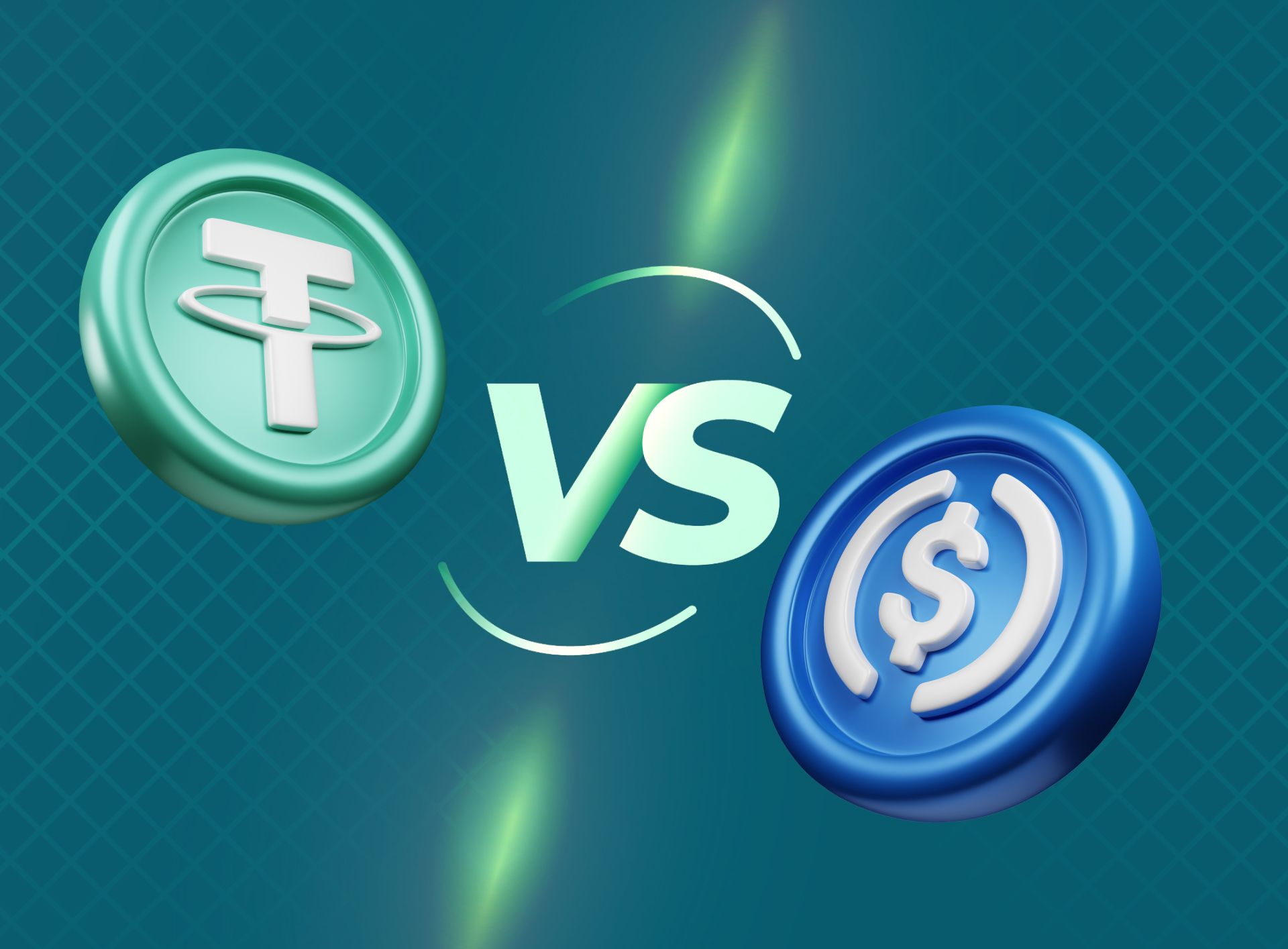
5. Tether vs USDC institutional adoption comparison
Institutional preference often splits between USDT’s liquidity and USDC’s compliance. USDT dominates trading pairs, while USDC is favored by regulated entities for its clear reserve attestations. Investors should assess their specific needs: high-frequency trading favors USDT, whereas compliance-heavy operations lean toward USDC. This divergence highlights the importance of aligning stablecoin choice with operational risk tolerance.

Comparing yield, fees, and regulatory status
When evaluating stablecoins for 2026, the decision often hinges on the trade-off between regulatory safety and yield potential. The five primary options—USDC, USDT, PYUSD, DAI, and USDS—differ significantly in their jurisdictional oversight and reserve structures. This comparison focuses on factual compliance and market position rather than speculative returns.
The table below outlines the core metrics for each asset, highlighting their regulatory standing and primary use cases.
| Stablecoin | Regulatory Status | Yield Potential | Primary Use Case |
|---|---|---|---|
| USDC | US-regulated (Circle) | Low (Money Market) | Institutional & DeFi |
| USDT | Offshore (Tether Ltd) | Low (Lending) | High-volume Trading |
| PYUSD | US-regulated (PayPal) | Moderate (Lending) | Payments & Savings |
| DAI | Decentralized (MakerDAO) | Variable (Collateral) | DeFi Governance |
| USDS | US-regulated (Sky) | Moderate (Lending) | DeFi & Payments |
USDC and PYUSD operate under strict US regulatory frameworks, offering greater transparency for institutional investors. USDT remains the dominant choice for high-frequency trading due to its liquidity, despite its offshore structure. DAI and USDS rely on decentralized collateral, introducing different risk vectors related to smart contracts and asset volatility.
Frequently asked questions about stablecoin safety
Stablecoins promise price stability, but the mechanisms behind that peg vary significantly. Understanding the differences between fiat-backed, crypto-collateralized, and algorithmic models is essential for assessing risk in 2026.
Are stablecoins truly safe for long-term holding?
Stablecoins are designed for short-term transactions and yield generation, not as long-term savings vehicles. While they maintain a peg to the US dollar, they carry counterparty and regulatory risks. For instance, USDC (Circle) holds reserves in cash and short-term US Treasuries, offering high transparency but exposing holders to bank risk. USDT (Tether), the largest by market cap, has faced scrutiny over its reserve composition. PYUSD (PayPal) benefits from PayPal’s regulatory infrastructure but remains subject to the same systemic risks as other centralized issuers. For long-term wealth preservation, traditional instruments like Treasury bills or insured bank deposits generally offer lower risk profiles.
What happens if a stablecoin loses its peg?
De-pegging events are rare but can be catastrophic. When a stablecoin’s market price drops significantly below $1, it usually signals a loss of confidence in the issuer’s reserves or a broader market crisis. USDC briefly de-pegged in March 2023 due to concerns about its exposure to Silicon Valley Bank, though it recovered quickly. USDT has maintained its peg more consistently but has faced ongoing questions about reserve audits. Algorithmic stablecoins, which lack direct collateral, have historically failed during stress periods. Investors should monitor on-chain data and reserve reports to gauge stability risks.
How do regulations affect stablecoin safety?
Regulatory clarity is improving but remains uneven. In the US, stablecoin issuers are increasingly subject to banking-like oversight, requiring regular attestations of their reserves. USDC and PYUSD are designed to comply with emerging US regulations, offering greater legal protection than less regulated alternatives. USDT operates in a more ambiguous space, having historically avoided strict US regulatory frameworks. Globally, the EU’s MiCA regulation imposes strict requirements on stablecoin issuers, including reserve segregation and redemption rights. Compliance with these regulations enhances safety but may limit yield opportunities.
Where does the yield on stablecoins come from?
Yield on stablecoins primarily comes from the interest earned on their reserve assets. For fiat-backed stablecoins like USDC and PYUSD, this means interest from short-term US Treasuries and money market funds. The yield fluctuates with Federal Reserve interest rates. Crypto-collateralized stablecoins generate yield through lending protocols, but this introduces smart contract risk. High yields often signal higher risk, such as exposure to volatile assets or less transparent reserve management. Always verify the source of yield and the issuer’s reserve transparency.
Can I trust the reserve reports of stablecoin issuers?
Reserve reports vary in quality and frequency. USDC provides monthly attestations from independent accounting firms, offering a clear view of its holdings. PYUSD also publishes regular reserve reports. USDT has improved its transparency but still faces skepticism from some analysts due to its complex reserve structure. Third-party auditors can only verify what is provided; they cannot guarantee the long-term stability of the issuer. For maximum safety, prefer issuers with regular, detailed, and independently audited reserve reports.
Where to buy these regulated stablecoins
Acquiring USDC, USDT, and PYUSD requires selecting platforms that prioritize regulatory compliance and reserve transparency over speculative yield. The most secure entry points are centralized exchanges (CEXs) and self-custody hardware wallets. For most users, a tiered approach—keeping trading capital on a compliant exchange and long-term holdings in cold storage—offers the best balance of accessibility and security.
Centralized Exchanges
Major regulated exchanges like Coinbase and Kraken serve as the primary on-ramps for USDC and PYUSD. These platforms undergo regular audits and maintain segregated client funds, providing a layer of institutional-grade protection. Tether (USDT) is available across nearly all global exchanges, but users should verify the specific jurisdiction’s regulatory standing before depositing. Always enable two-factor authentication (2FA) and withdraw assets to personal wallets if not actively trading.
Hardware Wallets for Secure Storage
For substantial holdings, hardware wallets provide the highest standard of security by keeping private keys offline. Ledger and Trezor devices support direct storage of USDC and USDT on networks like Ethereum and Solana, while PYUSD support depends on the wallet’s interface updates. Using a hardware wallet eliminates exposure to exchange hacks and insulates your stablecoin reserves from platform insolvency risks.


As an Amazon Associate, we may earn from qualifying purchases.

No comments yet. Be the first to share your thoughts!