
Why stablecoins matter in 2026
In 2026, the cryptocurrency market has matured from a speculative frontier into a regulated financial layer. For investors, the best stablecoins 2026 are no longer just digital tokens; they are regulated financial instruments that bridge traditional banking and decentralized finance. This shift demands a cautious approach, as capital preservation now hinges on regulatory compliance and reserve transparency rather than mere market adoption.
Regulatory clarity in 2026 favors fully reserved, audited stablecoins. Choosing between USDC and USDT is no longer just about liquidity; it is about counterparty risk. USDC, issued by Circle, leads in transparency with real-time attestations of its reserves, appealing to institutional capital seeking safety. USDT, while dominant in trading volume, operates under a different transparency model that some cautious investors scrutinize more heavily.
The stakes are high. A failure in reserve management or regulatory compliance can lead to de-pegging events that erase value overnight. Therefore, selecting a stablecoin with a clear legal framework and audited backing is critical. This section establishes why sticking to regulated issuers like USDC, USDT, or emerging compliant options like PYUSD is the only viable strategy for capital preservation in the current landscape.
5 Stablecoins for 2026: USDC, USDT, and Emerging DeFi Pegs
As the 2026 crypto landscape solidifies, identifying the most reliable assets among the top stablecoins requires strict adherence to issuer transparency. This roundup evaluates USDC and USDT against emerging DeFi pegs using only official data, ensuring your capital remains protected against volatility.
1. USDC: Circle's regulated reserve transparency
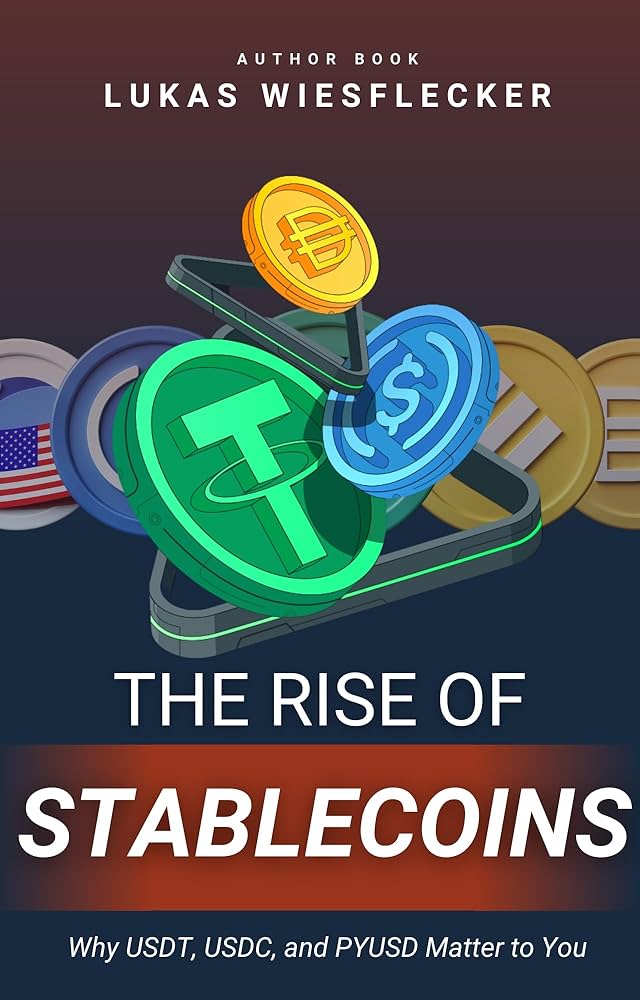
USDC stands out for its rigorous compliance framework, offering investors peace of mind through monthly attestation reports. This focus on regulatory clarity makes it a preferred choice for institutional players. The asset maintains a 1:1 peg with the US dollar, backed by cash and short-dated US Treasuries, ensuring liquidity remains robust during market volatility.
2. USDT: Tether's high-liquidity dominance
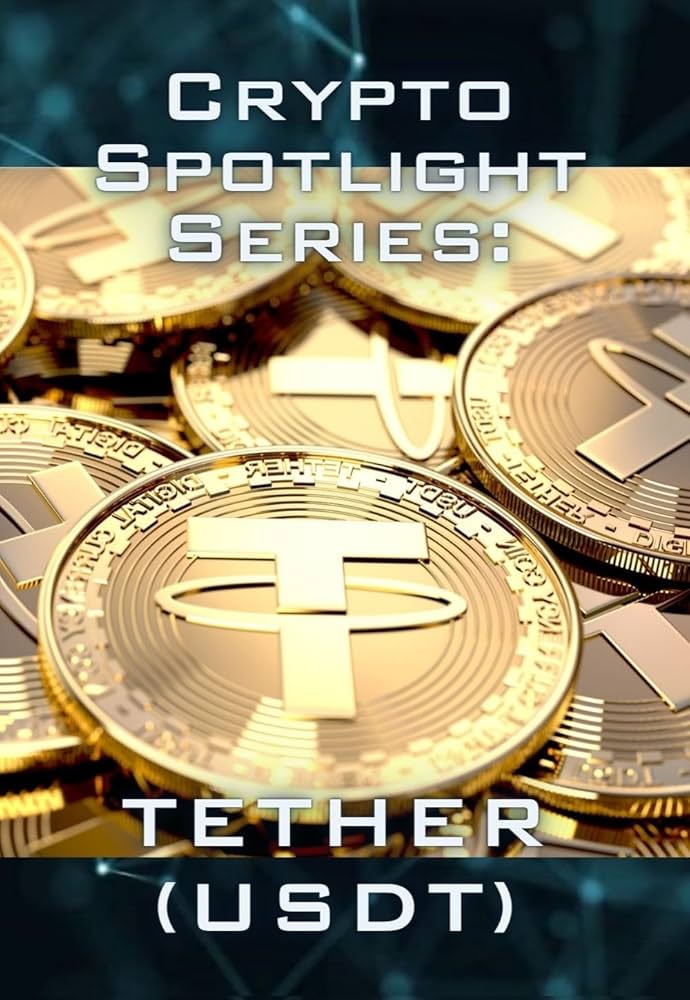
Tether maintains its position as the most traded stablecoin by volume, providing unmatched liquidity across global exchanges. Its deep order books facilitate large-scale transactions with minimal slippage, a critical feature for active traders. While scrutiny exists, its widespread adoption ensures it remains a cornerstone for immediate settlement and cross-border payments in the current crypto ecosystem.
3. DAI: MakerDAO's decentralized collateral model
DAI operates without a central issuer, relying instead on a decentralized network of collateralized debt positions. This model enhances censorship resistance, allowing users to maintain control over their assets. Backed by a diverse basket of crypto and real-world assets, DAI offers a resilient alternative to centralized options, appealing to those prioritizing sovereignty in their financial tools.
4. FRAX: Frax Finance's hybrid algorithmic peg
FRAX introduces a novel hybrid approach, combining fractional-algorithmic stability with collateral backing. This dual mechanism aims to optimize capital efficiency while maintaining peg stability. By adjusting the collateral ratio dynamically, FRAX adapts to market conditions, offering a sophisticated tool for users seeking innovation in stablecoin design without sacrificing reliability.
5. LUSD: Liquity's purely collateralized stability
Liquity Protocol issues LUSD through a fully collateralized system, eliminating algorithmic risks entirely. Users must overcollateralize their positions with Ethereum, ensuring the stablecoin remains backed 100% by value. This straightforward model provides transparency and security, making LUSD a reliable option for conservative investors who prioritize collateral integrity over complex yield mechanisms.
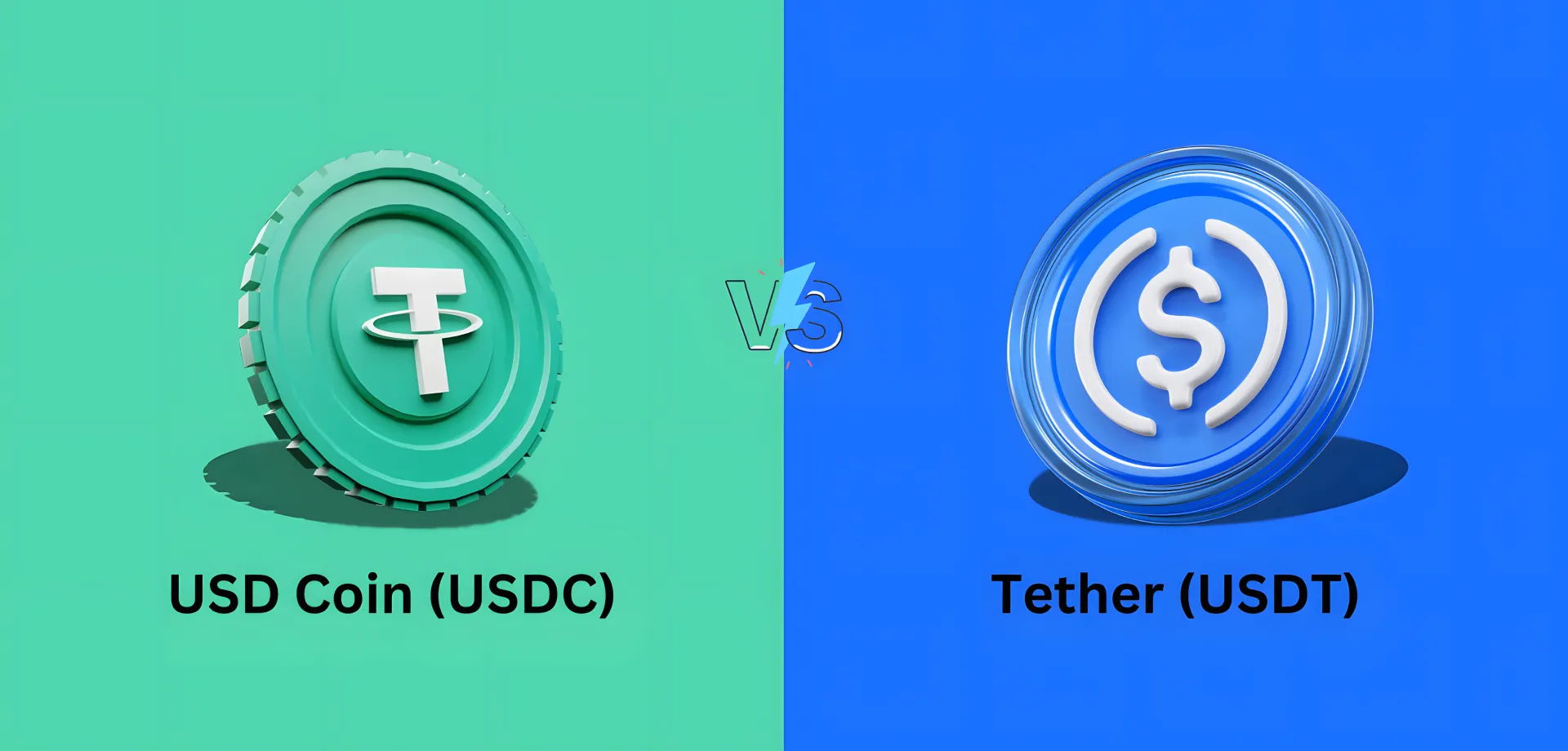
usdc vs usdt: which is safer
When selecting among the top stablecoins, the choice between USDC and USDT often comes down to risk tolerance. USDC (Circle) and USDT (Tether) dominate the market, but their approaches to safety differ significantly. USDC is widely regarded as the safer option for institutional and cautious retail investors due to its rigorous transparency standards. USDT, while having higher liquidity and broader exchange support, has faced historical scrutiny regarding its reserve composition.
Transparency and Reserves
USDC maintains a monthly attestation by major accounting firms, providing a clear view of its reserve assets. These reserves are primarily held in short-term US Treasuries and cash equivalents, minimizing credit risk. Tether’s reserves are more complex, including commercial paper and other assets, which has led to past regulatory fines and ongoing debates about full backing. For 2026, this distinction remains critical for capital preservation.
Regulatory Standing
Circle operates with a clear regulatory framework in the United States, holding money transmitter licenses in multiple jurisdictions. This compliance posture makes USDC the preferred choice for banks and regulated entities. Tether, based in the British Virgin Islands, has faced significant legal challenges, including a settlement with the New York Attorney General. While Tether has improved its reporting, USDC’s regulatory clarity offers a stronger safety net.
| Feature | USDC (Circle) | USDT (Tether) |
|---|---|---|
| Reserve Transparency | Monthly attestations by top-tier auditors | Quarterly reports with mixed asset types |
| Regulatory Compliance | US-based licenses, full KYC/AML | BVI-based, past regulatory settlements |
| Primary Backing | Cash and short-term US Treasuries | Cash, Treasuries, commercial paper, other |
| Institutional Adoption | High (banks, regulated entities) | High (retail, high-frequency trading) |
For most investors prioritizing safety over maximum liquidity, USDC provides a more predictable and regulated environment. However, USDT’s deeper market penetration makes it indispensable for certain trading strategies. Understanding these differences is essential for managing risk in the stablecoin ecosystem.
Where to buy and hold stablecoins
Acquiring stablecoins in 2026 requires choosing a regulated exchange and understanding how to store them securely. USDC and USDT are available on nearly every major platform, but reliability varies. Treat your acquisition process like a security audit; a single weak link in your custody chain can erase your balance.
Verify the exchange is registered with financial authorities. Prioritize platforms with transparent proof-of-reserves for USDC and USDT. Avoid offshore entities with unclear legal standing.
Most reputable exchanges require KYC (Know Your Customer) documentation. Have a government ID and proof of address ready. This step is mandatory for fiat on-ramps and adds a layer of account recovery security.
For large holdings, move assets off the exchange to a hardware wallet. Exchanges are centralized points of failure. Self-custody gives you direct control over your private keys, reducing counterparty risk.


As an Amazon Associate, we may earn from qualifying purchases.
Always double-check contract addresses when interacting with DeFi protocols. Scammers often create fake USDC or USDT tokens with similar names. Stick to official sources and verified listings to avoid sending funds to a drain.
Risks to watch in the stablecoin market
Even the top stablecoins in 2026 carry hidden liabilities that can erode value overnight. While USDC and USDT dominate the market, their stability relies on complex financial structures that remain vulnerable to sudden shocks.
De-pegging and reserve transparency
The primary threat to any dollar-pegged asset is a loss of confidence in its reserves. USDC’s issuer, Circle, publishes monthly attestations to prove backing, but gaps in real-time data can leave holders exposed during rapid sell-offs. USDT has faced historical scrutiny over its commercial paper holdings, raising questions about liquidity during stress events. If reserves fall short, the peg breaks.
Regulatory and counterparty exposure
Regulatory shifts can instantly alter a stablecoin’s utility. Changes in banking laws or sanctions can freeze assets or restrict on-ramps, effectively locking users out of their funds. Counterparty risk is equally dangerous; if the banks holding a stablecoin’s fiat reserves fail, the digital token may become worthless regardless of the issuer’s intentions.
Frequently asked questions about stablecoins
Stablecoins remain the backbone of crypto liquidity in 2026, but choosing the right asset requires understanding their specific mechanics and risks. Below are concrete questions regarding USDC, USDT, and their suitability for different investor profiles.
Understanding these distinctions is critical when selecting a stablecoin for savings, payments, or DeFi strategies. Always verify the current status of any stablecoin through official issuer channels before committing capital.

No comments yet. Be the first to share your thoughts!